
Best Time to Visit Wayanad 2026: Monsoon, Weather & Guide
Discover the best time to visit Wayanad in 2026 with weather details, monsoon travel tips, budget insights, seasonal guide, itinerary, and attractions.
Introduction
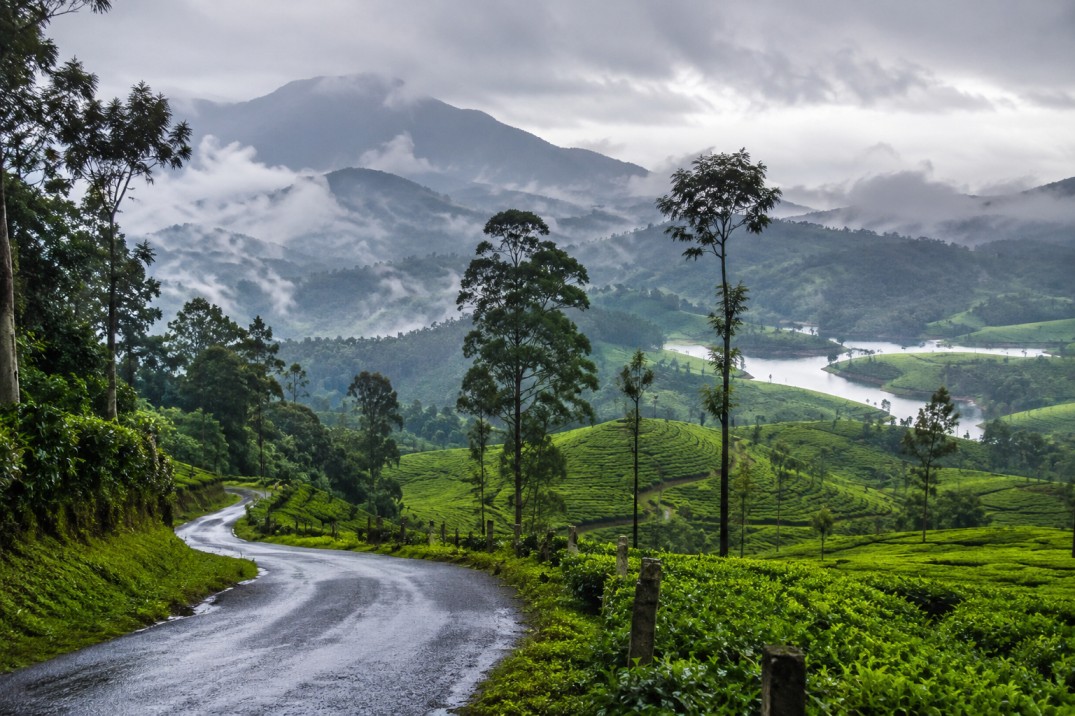
Rain hammers the tin roof of a homestay in Vythiri while mist rolls over the tea gardens below - this is Wayanad in July, and it looks nothing like the postcard version most travellers expect. If you're trying to nail down the best time to visit Wayanad, the monsoon months often get overlooked in favour of the "safer" October-to-May window. That's a mistake for some travellers and the right call for others, depending on what you actually want from the trip. This guide covers exactly when to go, what monsoon travel really involves, how many days you need, what it costs, and how to plan around the rain instead of against it.
Quick Answer
The best time to visit Wayanad depends on your priorities: October to May offers the most reliable weather for trekking and wildlife safaris, while June to September (monsoon) delivers Wayanad's waterfalls, plantations, and hillsides at their most dramatic, with far fewer crowds and lower prices. For most first-time visitors wanting a balance of both, late September to early November is the sweet spot.
Key Takeaways
Wayanad's monsoon runs roughly June through September, with June–July bringing the heaviest rain and August–September offering calmer, greener conditions
A wayanad monsoon budget trip can realistically be planned for 2–3 days, with homestays and plantation resorts often priced lower than peak season
Most travellers need 3 to 4 days to cover Wayanad's major attractions comfortably, regardless of season
Some monsoon-season closures apply - notably Kuruva Island, which typically shuts when river levels rise
Wayanad has no airport or railway station of its own; the nearest major transport hub (Kozhikode/Calicut) is roughly 100 km away, so factor in a 2.5–3 hour road transfer
Season-by-Season Breakdown
Wayanad experiences different weather conditions throughout the year, making each season suitable for different types of travellers. During the summer months (March to May), the region remains hot and humid, with temperatures ranging between 28°C and 35°C. This period is ideal for wildlife safaris and early morning treks, with moderate crowds compared to the peak season.
The monsoon season (June to September) brings heavy rainfall, cooler temperatures between 19°C and 26°C, and a dramatic transformation of Wayanad into a lush green paradise. This is the best time for experiencing waterfalls, spice plantations, misty landscapes, and nature photography, while the crowd remains relatively low. Wayanad’s rainy season is mainly influenced by the southwest monsoon crossing the Western Ghats. Among these months, July receives the highest rainfall, while August and September offer lighter, more occasional showers with greener surroundings, making them preferable for travellers who want to enjoy monsoon beauty with fewer weather disruptions.
The post-monsoon period (October to November) is considered one of the most balanced times to visit Wayanad. The landscape remains fresh and vibrant after the rains, with occasional showers creating pleasant conditions for sightseeing, trekking, and outdoor activities. Visitor numbers are usually moderate during this season.
The winter season (December to February) offers the most comfortable weather, with temperatures ranging from 10°C to 24°C. Clear skies, cool mornings, and dry conditions make it perfect for complete sightseeing itineraries, camping experiences, and visiting sunrise viewpoints. However, this is also the peak tourist season, so popular attractions and accommodations may experience higher crowds.
Is Wayanad Worth Visiting in Monsoon? The Honest Answer
Yes, for the right traveller. Monsoon is Wayanad's most photogenic season: waterfalls like Soochipara and Meenmutty run at full force, tea and coffee plantations turn a deeper green, and tourist numbers drop sharply compared to the December–January peak. Hotel and homestay rates are also typically lower during this window, making it a strong choice if you're planning a wayanad monsoon budget trip.
The trade-offs are real, though. Some treks (including sections near Chembra Peak) get restricted for safety, leech encounters are common on forest trails, and a few attractions - Kuruva Island among them - close periodically when water levels rise. Roads can also see occasional delays after heavy spells.
Bottom line: if you're chasing waterfalls, mist, and a quieter trip on a tighter budget, monsoon delivers. If uninterrupted trekking and guaranteed wildlife sightings matter most, aim for October–February instead.
How Many Days Do You Need for a Wayanad Trip?
How many days needed for Wayanad trip is one of the most common questions we get, and the answer depends on pace:
2 days - Covers the essentials: one waterfall, Pookode Lake, and a viewpoint or plantation walk. Tight but doable.
3 days - The most popular choice. Allows time for Edakkal Caves, Chembra Peak base trail, Banasura Sagar Dam, and at least two waterfalls.
4 days - Comfortable pacing with room for a wildlife safari at Muthanga or Wayanad Wildlife Sanctuary, plus a plantation stay.
5+ days - Ideal if you're combining Wayanad with nearby Kozhikode or extending into Kabini/Bandipur on the Karnataka side.
For monsoon travel specifically, we recommend building in one buffer day, since heavy rain can occasionally delay road transfers between sightseeing spots.
Suggested 3-Day Monsoon Itinerary
Day 1 - Arrival and Waterfalls Arrive via Kozhikode, check into a plantation homestay in Vythiri or Kalpetta, and spend the afternoon at Soochipara Falls, known for its three-tiered drop and natural pool.
Day 2 - Heritage and Nature Morning visit to Edakkal Caves for the prehistoric rock carvings, followed by a relaxed walk around Pookode Lake, which expands and looks its best during monsoon. Afternoon at Banasura Sagar Dam.
Day 3 - Plantations and Departure A guided spice or tea plantation walk in the morning, lunch featuring local Malabar cuisine, then departure toward Kozhikode.
Monsoon vs Winter: Which Should You Choose?
Expert Travel Tips
Carry a light raincoat and quick-dry clothing rather than a bulky umbrella - wind makes umbrellas impractical on forest trails
Pack anti-leech socks or salt if you're trekking; this is standard practice for Western Ghats monsoon hikes
Book homestays or resorts with covered parking and generator backup, as power cuts are more frequent during heavy rain
Check the status of Kuruva Island and any trekking permits a day before visiting, since monsoon closures can change with rainfall intensity
If self-driving, avoid night travel on ghat roads during peak rain spells
Based on current tourism patterns, monsoon bookings for Wayanad have been rising steadily as travellers increasingly seek off-peak, lower-crowd alternatives to the traditional winter rush - a trend also reflected across Kerala's broader monsoon tourism circuit.
Common Mistakes to Avoid
Skipping trek permit checks - several trails require Forest Department clearance, and monsoon restrictions can apply without notice
Underestimating travel time - Wayanad's attractions are spread out, and rain slows road journeys more than visitors expect
Packing only an umbrella - proper rain gear matters more here than in typical city travel
Ignoring leech precautions - a minor annoyance if prepared for, an unpleasant surprise if not
Booking a single-day trip - Wayanad rewards a slower pace; rushing it means missing its best monsoon spots
Frequently Asked Questions
Q: What is the best time to visit Wayanad? A: October to May is best for reliable weather and full access to treks and safaris, while June to September (monsoon) is best for waterfalls, greenery, and lower prices. Your ideal timing depends on whether you prioritise dry-weather activities or scenic monsoon landscapes.
Q: Is Wayanad safe to visit during monsoon? A: Yes, with reasonable precautions. Stick to established roads, avoid trekking during heavy rain warnings, and check with your accommodation about local conditions before heading out to remote attractions.
Q: How many days are ideal for a Wayanad trip? A: Most travellers find 3 days sufficient to cover the major attractions comfortably, with 4–5 days recommended if you want to add a wildlife safari or extend into nearby destinations.
Q: Is Wayanad monsoon travel budget-friendly? A: Generally yes. Homestay and resort rates during monsoon are typically lower than the December–January peak season, making it a good window for a wayanad monsoon budget trip.
Q: Can you trek in Wayanad during monsoon? A: Some trails remain open with guides, but routes like the upper sections near Chembra Peak are often restricted during heavy rainfall for safety reasons. Always confirm current access before planning a trek-heavy itinerary.
Q: What is Wayanad known for? A: Wayanad is a hill district in Kerala's Western Ghats known for its wildlife sanctuaries, spice and tea plantations, waterfalls, and ancient sites like the Edakkal Caves.
Q: How do I reach Wayanad? A: Wayanad has no airport or railway station of its own. The nearest major transport hub is Kozhikode (Calicut), roughly 100 km away, from where visitors typically continue by taxi or private car.
Q: Which is better - Wayanad in July or September? A: July brings the heaviest rainfall and the most dramatic waterfalls, while September offers lighter showers and equally green landscapes with slightly easier travel conditions.
Planning Your Trip
Whether you're chasing waterfalls in July or planning a quieter September escape, timing your Wayanad trip right makes all the difference. If you'd like local expertise on the ground, it's worth comparing a few options - working with one of the best tour operators in Kochi or a specialised best tour agency in Kerala can help you navigate seasonal closures, permit requirements, and homestay availability without the guesswork.
At Lumiere Holidays, we build Wayanad itineraries around your travel dates, budget, and interests - whether that means a relaxed 3-day monsoon getaway or a longer trip combining Wayanad with the rest of Kerala. Explore our Wayanad Tour Packages for ready-made options, browse our Kerala Monsoon Holidays collection for season-specific trips, or check our Kerala Travel Guide for planning the rest of your journey. Our travel experts at Lumiere Holidays can build a custom Wayanad itinerary around your dates and budget - just get in touch and we'll take it from there.