
Bhuj Tourism: Complete Guide to the Great Rann of Kutch (2026)
Bhuj tourism is booming in 2026 - explore the Great Rann of Kutch, salt desert & Rann Utsav. Plan your custom Kutch trip with Lumiere Holidays today.
Introduction
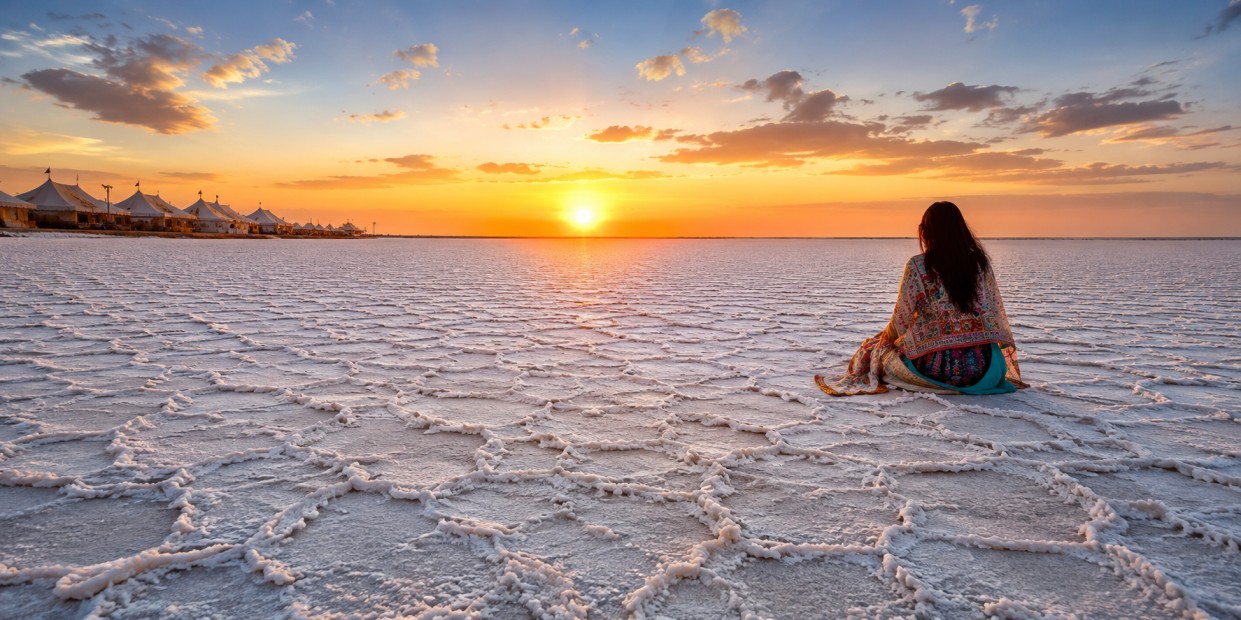
At 5 a.m., the temperature in the Great Rann of Kutch hovers close to freezing, and the desert floor looks like it's been dusted with fresh snow. By 7 a.m., that same salt crust is blinding white under the rising sun, stretching flat to the horizon in every direction. Bhuj tourism has emerged as one of India's fastest-rising travel trends in 2026, with online interest in the Rann of Kutch and Bhuj tour packages growing steadily over the past year. In this guide, you'll discover the best time to visit, must-see attractions, estimated travel costs, and practical tips for planning a memorable trip.
Quick Answer Summary
The best time for Bhuj tourism is between November and February, when the Rann Utsav festival runs and daytime temperatures stay in the comfortable 20–28°C range. Bhuj is the gateway to the Great Rann of Kutch, a 30,000 sq. km salt marsh in Gujarat, and is best reached by direct flights from Mumbai, Ahmedabad, or Delhi into Bhuj Airport (BHJ). Most visitors spend 3–4 days covering the White Rann, Kutch's craft villages, and Bhuj's old city.
Key Takeaways
Bhuj is the district headquarters of Kutch, Gujarat, and the main access point for the Great Rann of Kutch.
The Rann Utsav 2026–27 festival runs from November 1, 2026 to February 28, 2027, based on Gujarat Tourism's official festival calendar.
Tent City Dhordo, the festival's flagship stay, sits roughly 80–85 km from Bhuj - about a 1 hour 45 minute drive.
Tent accommodation ranges from ₹4,500 to ₹30,000 per night depending on category, based on current published tariffs.
Bhuj is also a craft hub - villages like Bhujodi and Nirona are known for bandhani textiles, mirror-work embroidery, and Rogan art.
Summers (April–June) are extreme, with temperatures regularly crossing 40°C, making them unsuitable for most travellers.
What Is the Great Rann of Kutch?
The Great Rann of Kutch is a seasonal salt marsh spanning approximately 30,000 square kilometres across the Kutch district of Gujarat, bordering Pakistan's Sindh province. During the monsoon it floods with seawater; once the water evaporates in winter, it leaves behind a vast white salt crust that becomes the region's biggest tourist draw. Locals and Gujarat Tourism officials refer to this dry-season phenomenon as the "White Rann."
Season-by-Season Breakdown
3-Day Bhuj & Rann of Kutch Itinerary
Day 1 – Arrive in Bhuj: Fly into Bhuj Airport (BHJ), check into your hotel or Tent City, and spend the afternoon at Aina Mahal and Prag Mahal in the old city.
Day 2 – White Rann & Kala Dungar: Drive to Kala Dungar (Black Hill) for sunrise views over the Rann, then continue to the White Rann for sunset - the single most photographed moment in Kutch tourism.
Day 3 – Craft Villages: Visit Bhujodi for bandhani and weaving demonstrations, Nirona for Rogan art, and Ajrakhpur for block-printing workshops before departing.
Optional Day 4 – Mandvi Beach or Dholavira: Add a coastal detour to Mandvi's beach and shipbuilding yards, or extend further to the Harappan-era site at Dholavira for history-focused travellers.
Bhuj vs. Other Winter Desert Destinations in India
Bhuj and the Rann of Kutch are ideal for travellers looking to experience the iconic white salt desert, vibrant handicrafts, and Gujarat's rich cultural heritage. The best time to visit is from November to February, when the weather is pleasant and attractions like the Rann Utsav are in full swing. Accommodation costs vary widely, with Tent City packages typically ranging from around ₹4,500 to ₹30,000 per night, depending on the level of luxury and inclusions.
Jaisalmer in Rajasthan is best known for its sweeping sand dunes, camel safaris, and magnificent golden forts. The most comfortable time to visit is between October and February, with hotel and desert camp prices generally ranging from ₹2,500 to ₹15,000 per night.
Pushkar, Rajasthan, is famous for its sacred lake, temples, and the world-renowned Pushkar Camel Fair, which takes place in November. During the fair season, accommodation usually costs between ₹1,500 and ₹8,000 per night, making it a popular destination for both cultural and spiritual travellers.
Bhuj and the Rann of Kutch are unmatched for the sheer expanse of the White Rann, offering a spectacular salt desert landscape that's unlike any other destination in India. The region also offers an exceptional living craft heritage, where visitors can explore traditional artisan villages and witness centuries-old textile, embroidery, and handicraft traditions that remain an integral part of everyday life.
Expert Travel Tips for Bhuj Tourism
Book 90+ days ahead for full-moon weekends during Rann Utsav - these sell out first, based on current tourism booking patterns.
Carry warm layers even in "sunny" Kutch - night and early-morning temperatures at the Rann regularly drop below 15°C in December and January.
Photography note: the salt crust reflects intense light; a polarising filter and sunglasses make a real difference during midday visits.
Bhuj town itself is walkable, but the Rann and craft villages are spread out - a private vehicle or a planned tour saves significant time.
Carry cash for craft villages; many artisan workshops in Bhujodi and Nirona don't accept cards.
Entry to the White Rann viewing area typically requires a permit arranged through your tour operator or the Tent City, since it falls in a border-security zone.
FAQ
Q: Which time of year offers the best experience in Bhuj and the Rann of Kutch? A: November to February is the best window, coinciding with the Rann Utsav festival and comfortable daytime temperatures of 20–28°C. This is also when the White Rann salt desert is fully dry and accessible.
Q: How do I reach Bhuj from major Indian cities? A: Bhuj Airport (BHJ) has direct flights from Mumbai (around 1 hour 30 minutes) and Ahmedabad (around 1 hour 15 minutes). It's also connected by rail and road, with Ahmedabad to Bhuj by road taking roughly 6–7 hours.
Q: How far is the White Rann from Bhuj city? A: Tent City Dhordo, the main access point for the White Rann, is approximately 80–85 km from Bhuj, roughly a 1 hour 45 minute drive.
Q: Is Bhuj safe for solo and family travellers? A: Yes. Bhuj and the Rann Utsav festival area are well-patrolled, family-friendly, and popular with solo travellers, couples, and groups alike, according to current traveller feedback shared by Gujarat Tourism.
Q: What should I pack for a Rann of Kutch trip? A: Pack layered clothing - light clothes for daytime and a warm jacket for early mornings and nights, since temperatures can swing more than 15°C within a single day in winter.
Q: Can I visit the Rann of Kutch outside the Rann Utsav festival dates? A: Yes, but access is more limited and fewer facilities are open. Most travellers get the fullest experience - cultural shows, camel safaris, and full moon-night access - only during the official festival window.
Q: What are the must-buy crafts from Kutch? A: Bandhani tie-dye textiles, mirror-work embroidery, and Rogan art (a rare hand-painting technique found almost nowhere else in India) are the region's signature crafts, best bought directly from artisan villages like Bhujodi and Nirona.
Common Mistakes to Avoid
Skipping advance booking: Tent City and hotel rooms during full-moon weekends fill up months in advance; last-minute planning often means settling for distant accommodation.
Underestimating the cold: Many travellers pack for "desert heat" and are caught off guard by near-freezing pre-dawn temperatures at the Rann.
Rushing the craft villages: Bhujodi, Nirona, and Ajrakhpur reward slower visits - treating them as a 20-minute photo stop misses the actual artisan interactions that make Kutch tourism distinctive.
Ignoring permit requirements: The White Rann viewing zone requires official clearance; arriving without this arranged in advance can mean being turned away at checkpoints.
Planning a summer trip: April–June heat regularly exceeds 40°C, and much of the Rann experience simply isn't available in this window.
Plan Your Bhuj Trip with Lumiere Holidays
Bhuj tourism rewards travellers who plan around the right season and build in time for both the salt desert and the craft villages that make Kutch culturally unique. Our travel experts at Lumiere Holidays can build a custom Bhuj and Rann of Kutch itinerary around your dates and budget, including Tent City bookings, private transfers, and guided craft-village visits. Browse our Gujarat tour packages for ready-made itineraries, explore our Rann Utsav festival packages for festival-season stays, or check out our wider India tour collection if you're planning a multi-destination trip. Get in touch with our team to start building your 2026 Kutch itinerary today.
Plan your trip with Lumiere Holidays
Ready to travel? Explore our most-booked packages: