
Kottiyoor Temple Festival 2026 Dates: Complete Travel & Pilgrimage Guide
Kottiyoor Temple Festival 2026 dates, rituals, and travel tips. Plan your Akkare Kottiyoor pilgrimage from Kannur with this complete guide.
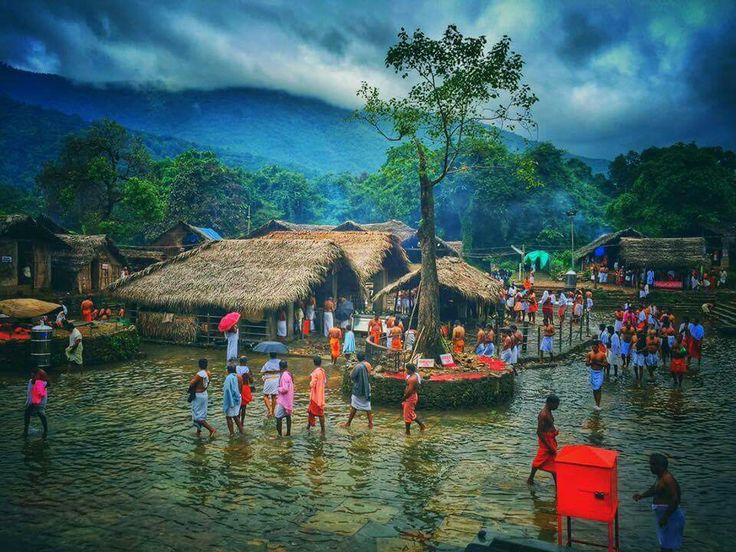
Picture caparisoned elephants and thousands of barefoot pilgrims wading across the Bavali River into a dense forest, carrying tender coconuts toward a Shiva shrine that exists for only one month of the year. This is the Kottiyoor Temple Festival, one of Kerala's most extraordinary spiritual events. For roughly eleven months, the eastern shrine at Akkare Kottiyoor is empty wilderness; then, each May and June, it transforms into a living temple of ancient Vedic and Tantric ritual.
This guide covers everything you need to know - when the festival happens in 2026, what the rituals mean, how to reach the temple in Kannur district, where to stay, and the practical mistakes first-time visitors should avoid.
Table of Contents
- Quick Answer Summary
- Key Takeaways
- What Is the Kottiyoor Temple Festival?
- The Mythology Behind the Festival
- Kottiyoor Festival Dates 2026
- Kottiyoor Temple Rituals Explained
- How to Reach Kottiyoor Temple
- Suggested 3-Day Itinerary
- Expert Travel Tips
- Frequently Asked Questions
- Common Mistakes to Avoid
- Plan Your Trip with Lumiere Holidays
Quick Answer Summary
The Kottiyoor Vaisakha Mahotsavam 2026 is a 28-day open-air Shiva pilgrimage held at Akkare Kottiyoor in Kannur district, Kerala, running from approximately May 29 to June 24, 2026, with preparatory rituals starting in early May. The festival follows the Malayalam Panchangam calendar, so exact dates are confirmed annually by the Malabar Devaswom Board. The best time to attend is during the opening Neyyattam ceremony or the grand closing Thrikkalashaattu, when ritual activity peaks.
Key Takeaways
- The Kottiyoor Vaisakha Mahotsavam is a 28-day Shaiva pilgrimage commemorating the mythological Daksha Yaga, held entirely in a forest setting.
- 2026 festival activity spans roughly early May to June 24, with core rituals at Akkare Kottiyoor from about May 29 to June 24 (always confirm with the Malabar Devaswom Board).
- The temple has two shrines: the permanent Ikkare Kottiyoor and the temporary Akkare Kottiyoor, active only during this festival.
- Worship is performed on a self-manifested (Swayambhu) stone Shiva Linga in the open air - no roof, no idols, no decorative pomp.
- Nearest airport is Kannur International Airport (around 45–55 km); nearest railheads are Thalassery and Kannur.
- The festival coincides with the monsoon, so rain gear and careful planning matter.
- Women may visit Akkare Kottiyoor only during a specific window each year - see the FAQ section for 2026 dates.
What Is the Kottiyoor Temple Festival?
This festival, known formally as the Vaisakha Mahotsavam (also spelled Vysakha Mahotsavam), is a 28-day Hindu pilgrimage dedicated to Lord Shiva, held annually in the forests of Kottiyoor in Kannur district, Kerala. The temple is widely called Dakshina Kashi, or "the Varanasi of the South," because of its deep spiritual significance.
The Two Shrines of Kottiyoor
What makes Kottiyoor Temple Kerala so unusual is its structure. There are actually two shrines facing each other across the Bavali River:
- Ikkare Kottiyoor (also called Vadakkeshwaram or the Thruchherumana Temple) -the permanent temple on the western bank, open for most of the year.
- Akkare Kottiyoor - a temporary hermitage on the eastern bank, with no permanent buildings, only sheds made from palmyra leaves. It comes alive only during the festival.
During these 28 days, the permanent Ikkare temple closes and all worship shifts across the river to the forest shrine.
The Mythology Behind the Festival
The festival commemorates the Daksha Yaga, one of the most significant episodes in Hindu mythology. According to legend, Daksha - son of Brahma - performed a great sacrifice (yaga) at this very spot, inviting all the gods except his son-in-law, Lord Shiva. Sati Devi, Shiva's wife and Daksha's daughter, was so wounded by the insult to her husband that she immolated herself. The grief and fury that followed are central to the site's sacred identity. Locals believe the heavy monsoon rains that lash the temple during the festival are the tears of Shiva mourning his lost beloved.
Why the Forest Setting Matters
The shrine sits within an 80-acre sacred grove, now part of a protected wildlife area, in the Sahya mountain (Western Ghats) range. Instead of golden idols, devotees worship a Swayambhu Shiva Linga - a self-manifested stone form - resting on a simple platform called the Manithara, open to the sky. The river crossings, forest pathways, and open-air worship are not incidental extras; they are the experience itself.
Kottiyoor Festival Dates 2026
The Kottiyoor Festival dates 2026 fall in the Malayalam months of Edavam and Mithunam, corresponding to late May through June. Because the festival follows the traditional Panchangam calendar and is anchored to specific stars (nakshatras) rather than fixed Gregorian dates, the timing shifts slightly every year.
Based on current temple notifications and tourism sources for 2026, the broad festival season opens with preparatory rituals in early May, while the main ceremonies at the Akkare Kottiyoor forest shrine run from approximately May 29 to June 24, 2026. The festival begins with the Neyyattam ritual and concludes with the grand Thrikkalashaattu ceremony on June 24.
Important: Sources vary on the precise opening date because preparatory and main-festival phases are counted differently, and dates are officially fixed by the Malabar Devaswom Board each year. Always verify the current schedule through the Devaswom Board or a trusted local operator before booking travel.
Festival Phase Breakdown 2026
Phase | Approximate 2026 Timing | What Happens |
Preparatory rituals | Early–mid May | Initial ceremonies that open the festival season |
Neyyattam (opening) | Around May 29 | The 28-day cycle formally begins at Akkare Kottiyoor |
Bhandaram Ezhunnallath | Following day | Sacred vessels and ornaments brought from Manathana village |
Elaneer Vayppu | Early–mid June | Devotees offer thousands of tender coconuts to the Linga |
Closing- Thrikkalashaattu | June 24 | Grand procession with elephants; festival concludes |
Kottiyoor Temple Rituals Explained
The Kottiyoor Temple rituals are among the most austere and ancient in India, performed in a precise sequence that has reportedly remained unchanged for centuries.
Sword from Muthirerikavu
Celebrations begin with a ceremonial sword brought from Muthirerikavu in Wayanad, marking the festival's opening.
Neyyattam
Held on the Chodi (Swati) star day in the Malayalam month of Edavam, this ritual formally commences the 28-day festival.
Bhandaram Ezhunnallath
On the following Visakham star day, gold and silver ceremonial vessels and ornaments are carried in procession from the nearby Manathana village to the shrine.
Elaneer Vayppu
Perhaps the most beloved ritual: thousands of devotees from across Malabar carry tender coconuts (elaneer) and offer them before the Swayambhu Shiva Linga.
Elaneeraattam
The following day, the chief priest pours the collected tender-coconut water over the Linga, a deeply symbolic act of purification and offering.
Rohini Aaradhana
A ritual unique to Kottiyoor, in which the Kurumathur Brahman (embodying Vishnu) performs the Aalingana Pushpanjali, symbolically embracing the Shiva Linga in compassion.
Thrikkalashaattu
The festival concludes with this grand ceremony, featuring a procession (Ezhunnallippu) where two elephants carry the idols of Shiva and Parvati, followed by a ceremonial feeding and farewell of the elephants (Aanayootu).
Key Term Definitions
- Swayambhu Shiva Linga - a self-manifested stone form of Lord Shiva, worshipped here in the open air without any idol or covering.
- Elaneer Vayppu - the ritual offering of tender coconuts to the Linga by pilgrims.
- Dakshina Kashi - the honorific meaning "Varanasi of the South," reflecting Kottiyoor's status as a major Shaiva pilgrimage site.
How to Reach Kottiyoor Temple
Kottiyoor lies in a hilly, forested part of Kannur district near Kelakam, well connected to North Kerala's main transport hubs.
Mode | Nearest Hub | Approximate Distance |
Air | Kannur International Airport (CNN) | 45–55 km |
Air (alternative) | Calicut (Kozhikode) International Airport | 125–135 km |
Rail | Thalassery Railway Station | 55–60 km |
Rail (alternative) | Kannur Railway Station | 70–71 km |
Road | Kannur / Thalassery / Iritty / Mananthavady | Frequent KSRTC & private buses |
From Kannur, the drive covers roughly 45–55 km but takes about 1.5 to 2 hours due to the winding hill roads of the Malayora Highway - plan accordingly even though the distance looks short on a map. From Kozhikode, the smoothest route runs via Thalassery and Iritty. KSRTC buses on the Iritty–Mananthavady route pass through Kottiyoor, so public transport is genuinely viable.
Suggested 3-Day Itinerary
For travellers combining the festival with a North Kerala experience, here is a practical three-day outline:
Day 1 - Arrival & Base in Kannur: Fly into Kannur International Airport or arrive by train at Thalassery/Kannur. Settle into accommodation in Kannur city, where comfortable hotels and family-friendly options are concentrated. Explore Kannur's St. Angelo Fort and Payyambalam Beach in the evening.
Day 2 - The Pilgrimage Day: Set out very early (many pilgrims leave between 3:30 AM and 5:00 AM on peak days to beat traffic). Cross the Bavali River to Akkare Kottiyoor, witness the morning rituals, and make your offerings. Return to Kannur by afternoon to rest.
Day 3 - Culture & Departure: If time allows, visit the famous Parassinikadavu Muthappan Temple, known for its daily Theyyam performances, before heading to the airport or station. Theyyam is a vivid North Malabar ritual art form and a natural complement to a Kottiyoor pilgrimage.
Expert Travel Tips
Based on recent traveller trends and the realities of festival-season travel, keep these in mind:
- Book accommodation early. Lodging near Kottiyoor is basic and limited, and it fills fast around Neyyattam and the closing ceremonies. Most visitors base themselves in Kannur, Thalassery, or Mananthavady.
- Plan for monsoon. The festival coincides with the southwest monsoon. Carry waterproof footwear, a sturdy umbrella or rain jacket, and protect documents and electronics in sealed bags.
- Start before sunrise. On major ritual days, leaving your base between 3:30 AM and 5:00 AM helps you avoid heavy traffic near the temple grounds.
- Respect the customs. This is a working pilgrimage, not a tourist spectacle. Dress modestly, follow priest and authority instructions, and check current photography rules with temple staff.
- Note the women's-entry window. See the FAQ below for the 2026 dates before planning.
- Pack light and barefoot-ready. Devotees cross the river and walk forest paths barefoot, so plan footwear you can easily remove and carry.
Frequently Asked Questions
Q: When does the Kottiyoor Temple Festival take place in 2026? A: The main festival at Akkare Kottiyoor runs from approximately May 29 to June 24, 2026, with preparatory rituals starting in early May. Always confirm the official schedule with the Malabar Devaswom Board before travelling, as Malayalam-calendar dates shift yearly.
Q: Where exactly is the Kottiyoor Temple located? A: Kottiyoor Temple is in Kannur district, North Kerala, near Kelakam, on the banks of the Bavali River within an 80-acre forest grove close to the Karnataka border in the Western Ghats.
Q: Why is Akkare Kottiyoor open for only part of the year? A: Akkare Kottiyoor is a temporary forest shrine with no permanent buildings. By tradition, it becomes the active place of worship only during the 28-day Vaisakha Mahotsavam, while the permanent Ikkare Kottiyoor temple closes during that period.
Q: What is the most important ritual of the festival? A: Elaneer Vayppu — the offering of thousands of tender coconuts to the Swayambhu Shiva Linga — and the closing Thrikkalashaattu procession with elephants are the most significant and visually striking rituals.
Q: How do I reach Kottiyoor from outside Kerala? A: Fly into Kannur International Airport (45–55 km away, about 1.5–2 hours by road) or arrive by train at Thalassery or Kannur. From there, taxis, KSRTC buses, and private vehicles connect via scenic hill roads.
Q: Can women attend the festival? A: Yes. Women may visit Akkare Kottiyoor during a specific window within the festival period - in 2026, roughly from the night of May 30 to around June 20. Confirm exact dates with temple authorities, as they change annually.
Q: What should I wear and carry? A: Wear modest, comfortable clothing and footwear you can remove easily, since you'll cross the river and walk forest paths barefoot. Rain protection is essential during this monsoon-season festival.
Common Mistakes to Avoid
- Assuming fixed dates. Travellers often book around last year's dates. The festival shifts with the Malayalam calendar - always verify the current year's official schedule.
- Ignoring the monsoon. Underestimating the rain leads to ruined plans and gear. The wet weather is part of the experience, but you must prepare for it.
- Leaving accommodation to the last minute. Limited local lodging means late bookings often mean no rooms near the temple at all.
- Treating it as a casual sightseeing stop. This is a sacred pilgrimage with strict customs; arriving unprepared for the rituals and rules creates difficulty for you and others.
- Overlooking the women's-entry window. Female travellers who don't check the permitted dates risk arriving when entry to Akkare Kottiyoor isn't possible.
Plan Your Trip with Lumiere Holidays
The Kottiyoor festival is one of those rare experiences that stays with you - the river crossing at dawn, the forest shrine open to the monsoon sky, the unbroken thread of ritual reaching back centuries. Getting the timing, logistics, and accommodation right is what turns a difficult pilgrimage into a smooth and meaningful one.
Our travel experts at Lumiere Holidays can build a custom Kottiyoor Temple Festival 2026 itinerary around your dates and budget, handling everything from Kannur accommodation and transport to combining your pilgrimage with the wider wonders of North Kerala. If you're extending your trip, explore our Kerala honeymoon and holiday packages as well.
As experienced tour operators across Kerala and South India, we know how to navigate festival-season travel so you can focus on the experience itself. Get in touch with our team to start planning your sacred journey to Dakshina
Plan your trip with Lumiere Holidays
Ready to travel? Explore our most-booked packages: