
Majuli Island Tourism: Complete Guide 2026 | Assam
Majuli island tourism is trending in 2026. Discover the best time to visit, ferry costs, itineraries and travel tips for Majuli and Jorhat, Assam.
Introduction
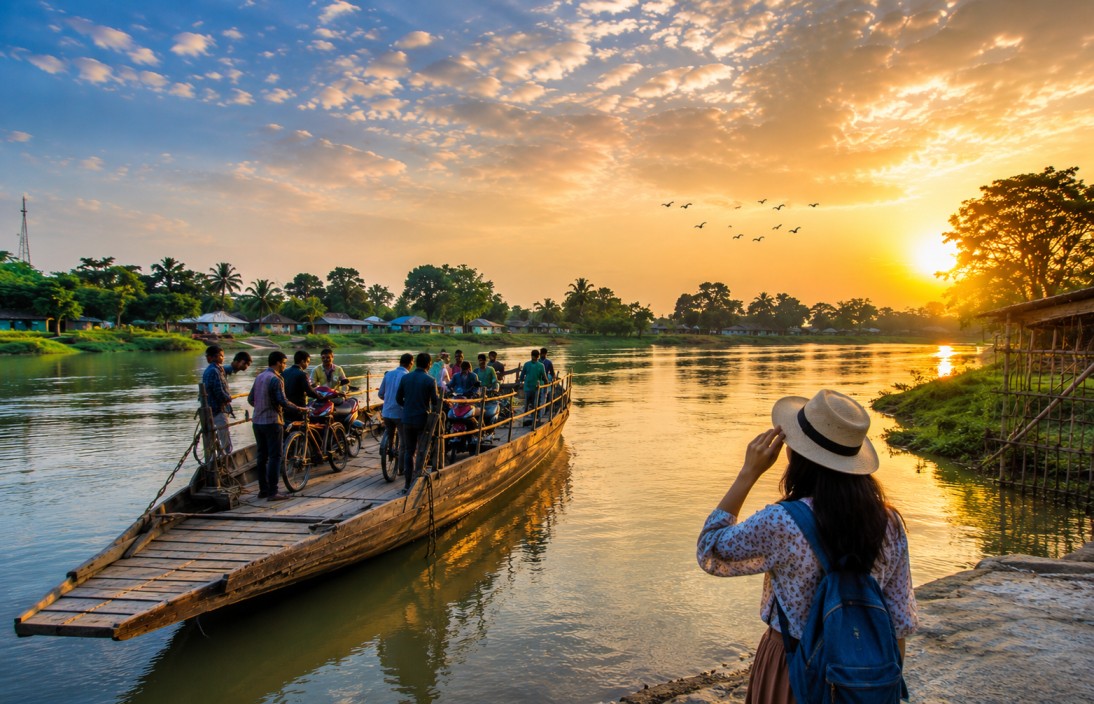
Step off a wooden ferry at Kamalabari Ghat, and you'll land on a piece of Assam that has been quietly rewriting itself for over a century—shrinking, reforming, and preserving traditions found nowhere else on earth. This is Majuli, and Majuli island tourism has become one of the fastest-growing conversations in Indian travel this year. Much of that interest has been driven by its gateway town, Jorhat, which recorded a 493% increase in traveller searches according to Skyscanner's 2026 Travel Trends Report, making it the most trending domestic destination in the country.
Whether you're planning the trip yourself or seeking assistance from the best tour operators in South India to arrange a seamless Northeast holiday, Majuli offers an unforgettable blend of culture, nature, and slow travel. If you're travelling from the south, choosing the best tour agency in Kerala can also simplify everything from flights and accommodation to ferry transfers and guided sightseeing.
This guide explains why Majuli and Jorhat are suddenly on every traveller's radar, the best time to visit, the top attractions, how to get there, and practical tips to help you plan a memorable trip with confidence.
Quick Answer Summary
Majuli is best visited between October and March, when the Brahmaputra recedes, ferries run reliably, and the island hosts its biggest cultural festivals, including Raas Mahotsav in November. It's reached via a roughly one-hour ferry from Nimati Ghat, about 14 km from Jorhat town, which itself is the nearest railhead and airport. No special permit is required for Indian or foreign nationals visiting Jorhat or Majuli.
Key Takeaways
Majuli is recognised as the world's largest river island, formed by the Brahmaputra and Subansiri rivers in Assam.
The island became India's first island district in 2016 and today spans roughly 352 sq km, down from around 880 sq km a century ago due to continuous erosion.
Jorhat is the gateway city; Nimati Ghat, 14 km away, is where ferries depart for Majuli.
The island is the spiritual heart of Assamese Vaishnavism, home to living monasteries called Satras.
Majuli's mask-making tradition (mukha shilpa) received a Geographical Indication (GI) tag in March 2024.
Best time to visit: October to March; avoid July–September when monsoon flooding disrupts ferry schedules.
No Inner Line Permit (ILP) is needed here, unlike Tawang or parts of Nagaland - a big reason it's easier to plan on short notice.
Why Is Everyone Suddenly Talking About Majuli and Jorhat?
The short answer: search interest, infrastructure, and timing have converged. Jorhat's tea estates and colonial-era charm were always known locally, but Majuli island tourism has crossed into mainstream awareness for three reasons.
First, domestic search data. Skyscanner's 2026 report found a 493% year-on-year rise in searches for Jorhat among Indian travellers, with the same report noting that 59% of Indian travellers plan to travel more in 2026 than in 2025, many actively choosing secondary and emerging destinations over saturated circuits like Goa or Manali.
Second, cultural recognition. In March 2024, the Government of India awarded Majuli's mask-making craft and its manuscript-painting tradition Geographical Indication tags, formally protecting them as expressions of Assamese heritage. This kind of recognition tends to draw both media coverage and culturally curious travellers.
Third, the erosion clock. Majuli's landmass has shrunk from roughly 880 sq km in the early 1900s to about 352 sq km today, according to Assam government and Guinness World Records data. That "vanishing island" narrative - real, not manufactured - has added urgency to travel plans that might otherwise have stayed on someone's someday list.
What Is Majuli? A Quick Definition
Majuli is a river island in the Brahmaputra, located in Assam, Northeast India, and officially recognised as the world's largest inland river island. It sits about 20 km from Jorhat town and roughly 300–330 km from Guwahati, Assam's capital. Since 2016, it has held the distinction of being India's first island to be designated as a full administrative district.
The island is home to around 1.6–1.7 lakh people across more than 140 villages, with the Mising, Deori, and Sonowal Kachari tribal communities making up a large share of the population alongside Assamese settlers.
Best Time to Visit Majuli: Season-by-Season Breakdown
Best time to visit Majuli overall: October to March, when ferries run predictably and the island's satras host their major cultural calendar.
Suggested Itinerary: 4 Days in Jorhat and Majuli
A four-day trip is ideal for exploring Majuli at a relaxed pace. Begin your journey by arriving in Jorhat, either by flight through Rowriah Airport or by train or overnight bus via Guwahati. After checking into your accommodation, spend the afternoon visiting one of Jorhat's renowned tea estates to experience Assam's famous tea culture.
On the second day, head to Nimati Ghat early in the morning and take the ferry to Kamalabari Ghat, a scenic journey that usually takes around 1 to 1.5 hours. After checking into a homestay or eco-camp, explore two of Majuli's most important Vaishnavite monasteries - Kamalabari Satra and Auniati Satra - to learn about the island's rich spiritual and cultural heritage.
Dedicate your third day to discovering the heart of Majuli. Visit Samaguri Satra to watch artisans create the island's famous GI-tagged traditional masks by hand, then spend time in a Mising tribal village to experience the local way of life. As the day winds down, enjoy a peaceful boat ride through the island's wetlands, where you may spot a variety of migratory and resident birds.
On your final day, take the ferry back to Nimati Ghat. If your schedule allows, make a short detour to Sivasagar, located about 60 km from Jorhat, to explore its impressive Ahom-era monuments before continuing your journey home.
Majuli vs. Other Northeast Getaways: A Comparison
Majuli's permit-free access is a genuine practical advantage for travellers with limited planning time, especially compared to Arunachal Pradesh, which requires advance ILP paperwork for Indian nationals and foreign tourists alike.
Expert Travel Tips for Majuli Island Tourism
Confirm ferry timings the evening before, not from old listings online - river levels
and weather shift schedules regularly. Government ferries from Nimati Ghat typically run between 7 am and 3:30 pm, but this can change.
Carry cash. Ferry tickets cost roughly ₹15–30 per person, and most homestays and small eateries on the island don't accept cards.
Book satra guesthouses or homestays in advance - Majuli has limited formal hotel infrastructure, and several satras (Kamalabari, Auniati, Dakhinpat) offer basic guest accommodation if you write ahead.
Rent a bicycle once you're on the island. There are no taxis or autos within Majuli itself; boats and bicycles are the primary way to get around.
Pair Majuli with Kaziranga National Park, roughly 74–120 km away depending on the route, for a wildlife-plus-culture itinerary in one trip. Our Assam wildlife and culture tours combine both.
Time your visit around Raas Mahotsav (November) if you want to see the island's Vaishnavite performance tradition at its most vivid, but book accommodation early - this is the busiest week of the year.
Frequently Asked Questions
Q: What is Majuli famous for? A: Majuli is famous for being the world's largest river island and for its Satras - centuries-old Vaishnavite monasteries founded in the tradition established by the 15th-16th century saint-reformer Srimanta Shankardev. It's also known for its GI-tagged mask-making craft and Mising tribal culture.
Q: How do I reach Majuli from Guwahati? A: Travel from Guwahati to Jorhat by air, rail, or road (roughly 300 km, 6–7 hours by road), then take a ferry from Nimati Ghat, about 14 km from Jorhat town, to reach Majuli in around one to one-and-a-half hours.
Q: Is an Inner Line Permit required to visit Majuli or Jorhat? A: No. Neither Jorhat nor Majuli require an Inner Line Permit for Indian nationals or foreign tourists, unlike some other Northeast destinations such as Tawang or parts of Nagaland.
Q: What is the best time to visit Majuli? A: October to March is ideal, offering dry weather, reliable ferry schedules, and access to major festivals like Raas Mahotsav in November and Ali-Ai-Ligang in February.
Q: How much does the Majuli ferry cost? A: Ferry tickets from Nimati Ghat to Majuli typically cost between ₹15 and ₹30 per person, though vehicle transport costs more.
Q: Is Majuli disappearing? A: Majuli has lost significant land to river erosion - from roughly 880 sq km in the early 20th century to about 352 sq km today - which is why many travellers now treat a visit as time-sensitive.
Q: Can I visit Majuli as a day trip from Jorhat? A: It's possible but not recommended. A day trip only allows time for one or two satras; staying at least one night lets you experience the island's slower rhythm, evening boat rides, and village life properly.
Q: What other places can I combine with a Majuli trip? A: Kaziranga National Park (wildlife), Sivasagar (Ahom-era history), and Jorhat's tea estates all pair well with Majuli within a single Assam itinerary.
Common Mistakes to Avoid
Not checking ferry schedules in person - online timings are frequently outdated; always confirm locally the day before.
Visiting during peak monsoon (July–September) without flexibility, risking cancelled crossings and flooded pathways.
Assuming hotel-style infrastructure exists - Majuli's stays are mostly homestays and satra guesthouses, not commercial hotels.
Skipping advance bookings during Raas Mahotsav, when accommodation fills up fast.
Treating Majuli as a single-day stop - most of its cultural depth (mask-making workshops, tribal villages, evening satra rituals) needs at least one overnight stay to experience properly.
Plan Your Majuli and Jorhat Trip with Lumiere Holidays
Majuli island tourism rewards travellers who plan around the ferry, the season, and the island's unhurried pace - and that's exactly where local expertise helps most. Our travel experts at Lumiere Holidays can build a custom Majuli and Jorhat itinerary around your dates and budget, combining river-island culture with nearby Kaziranga wildlife safaris or Assam's tea trail. Explore our Northeast India tour packages or get in touch through our custom itinerary planning page to start building your trip.
Plan your trip with Lumiere Holidays
Ready to travel? Explore our most-booked packages: