
Manali to Leh Road Trip: Itinerary, Cost & Safety Guide
Planning a Manali to Leh road trip? Get the full 6-day itinerary, real costs, best months to travel, and honest safety tips. Plan your trip today.
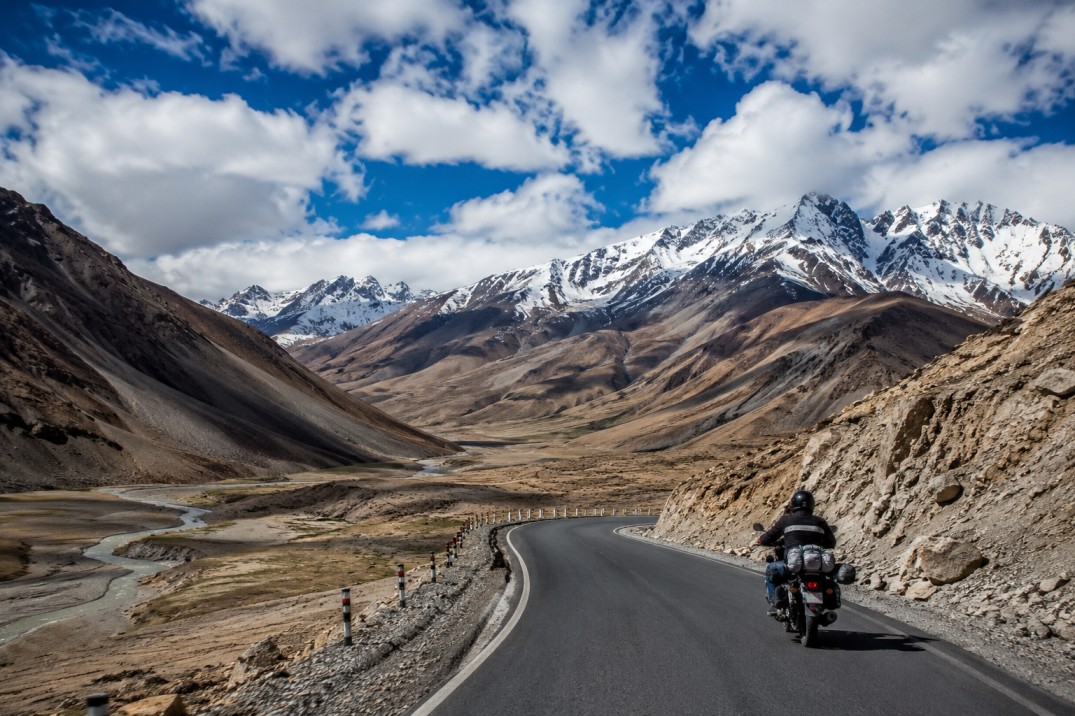
Introduction
Somewhere on the Manali-Leh highway, at 17,582 feet on the Taglang La pass, a 22-year-old traveller waits by the roadside with a backpack, a GPS-sharing app open, and a thumb out. This is the new face of Himalayan travel. A Manali to Leh road trip has always been a rite of passage for Indian travellers, but a growing number of young, budget-conscious explorers are now doing it differently ; hitchhiking stretches of the route to stretch their rupee and chase spontaneity. It's a trend worth understanding, and worth doing right. This guide walks you through what's actually driving this shift, when to go, what it costs, and how to experience the same freedom without the very real risks that come with thumbing a ride on one of the world's highest motorable roads.
Quick Answer Summary
The best way to do a Manali to Leh road trip is between June and mid-September, when the highway is fully open, using a shared taxi, self-drive vehicle, or small-group tour rather than hitchhiking ; the route crosses five high-altitude passes above 13,000 feet where weather, oxygen levels, and network coverage can turn unpredictable fast. A well-planned trip takes 2–3 days one-way with acclimatisation stops at Keylong or Jispa, and typically costs between ₹8,000 and ₹25,000 per person depending on transport choice.
Key Takeaways
- The Manali-Leh highway is roughly 473 km long and crosses five major passes, including Rohtang La, Baralacha La, and Taglang La (the world's second-highest motorable pass at 17,582 ft).
- Hitchhiking on this route has grown in popularity among young Indian travellers, driven largely by cost savings ; but solo and female hitchhiking carries documented safety risks that guides and forums have flagged repeatedly.
- The highway is typically open only from late May/June to October, based on Border Roads Organisation (BRO) seasonal clearance updates.
- A shared taxi or small-group tour costs 40–60% less than a private cab while offering nearly the same flexibility as hitchhiking, without the wait times or safety gaps.
- Altitude sickness (AMS) is a genuine risk above 10,000 feet; the route's rapid elevation gain makes acclimatisation stops non-negotiable, not optional.
When to Go: Season-by-Season Breakdown
Period | Highway Status | Conditions | Best For |
January–April | Closed (snowbound) | Sub-zero, passes blocked | Not recommended |
Late May–June | Just opening | Fresh roads, cold nights (5–10°C), fewer crowds | Early-season adventurers, photographers |
July–August | Peak season | Monsoon in lower Himachal, dry in Ladakh, daytime temps 15–25°C | Most travellers; book stays in advance |
September | Ideal window | Clear skies, stable roads, temps 10–20°C | Best overall experience, fewer crowds |
October | Closing window | Rapid temperature drop, snowfall risk on passes | Experienced travellers only |
November–December | Closed | Heavy snow, road closures | Not accessible |
Based on current tourism data and Border Roads Organisation seasonal advisories, September consistently ranks as the most recommended month ; the roads are stable, visibility is at its best, and the notorious Manali-Leh traffic jams from July-August have thinned out.
What Is Driving the Hitchhiking Trend?
Hitchhiking is the practice of travelling by asking for free rides from passing motorists, typically along fixed highway routes. On the Manali-Leh highway specifically, it has grown due to a combination of factors:
- Cost pressure ; a private taxi for the full route can cost ₹20,000–₹35,000, pushing budget travellers toward alternatives.
- Safety-tech normalisation ; real-time GPS location sharing with family and verified hitchhiking Facebook/Telegram communities have made the practice feel less risky than it was a decade ago.
- Slow-travel culture ; many young travellers say they want unplanned conversations with truck drivers and locals, not a sealed cab window.
- Social proof ; travel vlogs and reels showing successful hitchhiking runs on this exact route have normalised it as an aspirational, "authentic" way to travel.
The honest caveat: recent traveller surveys suggest hitchhiking works best for groups of young men, and multiple accounts describe multi-hour waits in extreme heat or cold when rides don't materialise. Solo female hitchhiking on remote Himalayan stretches carries risks that GPS-sharing apps do not eliminate ; limited network coverage on several stretches between Sarchu and Pang means location sharing can fail exactly when it's needed most.
Itinerary Recommendation: 6-Day Manali to Leh Road TripThe journey begins on Day 1 with the drive from Manali to Jispa, covering 143 km and gaining altitude from 3,050 m to 3,200 m. This first leg crosses two major passes, Rohtang La and Baralacha La, and ends with an acclimatisation night in Jispa ; a non-negotiable stop before pushing higher.
Day 2 takes travellers from Jispa to Sarchu, a shorter 90 km stretch but a steeper climb from 3,200 m to 4,290 m. Most trips include a camp stay here, and it's worth being prepared for temperatures that drop sharply once the sun sets.
Day 3 is the longest and highest leg of the trip: 220 km from Sarchu to Leh, descending from 4,290 m to 3,500 m. Along the way, travellers cross Taglang La, the route's highest point at 17,582 feet, as well as the Gata Loops, a dramatic series of switchbacks that many riders and drivers consider a highlight of the drive.
Day 4 is a mandatory rest day in Leh. This isn't optional padding ; it's a medical precaution, since altitude sickness symptoms typically peak between 24 and 48 hours after rapid ascent above 3,000 metres. It's also a good day to explore Leh Palace and the Shanti Stupa at a relaxed pace.
For those with time to spare, Day 5 offers an optional detour to Nubra Valley, a 120 km drive over Khardung La that rewards travellers with sand dunes and double-hump camels at Hunder. Day 6 wraps up the trip in Leh, either flying out or beginning the return journey.
Hitchhiking vs. Shared Taxi vs. Guided Tour: A Cost and Safety Comparison
Factor | Hitchhiking | Shared Taxi | Small-Group Tour (Lumiere) |
Cost per person | Near ₹0 (food/stay only) | ₹6,000–₹10,000 | ₹15,000–₹25,000 |
Time predictability | Low - wait times of 1–4+ hours common | High - fixed schedule | Highest - fully planned |
Safety net | Minimal; network gaps on remote stretches | Moderate; driver is accountable | High; local guide + emergency support |
Solo female suitability | Not recommended | Reasonably safe in groups | Safest option |
Cultural interaction | High (variable quality) | Moderate | High (curated, with local guides/homestays) |
Acclimatisation support | None built in | None built in | Planned rest stops included |
If the real appeal of hitchhiking is spontaneity and authentic local contact rather than the cost saving itself, a small-group road trip with flexible day plans and homestay nights delivers a similar experience with a real safety net underneath it.
Expert Travel Tips for the Manali Leh Highway
- Acclimatise before you ascend - spend at least one night at 3,000+ metres (Jispa or Keylong) before pushing further, regardless of how you're travelling.
- Carry cash - ATMs are unreliable past Keylong; Leh has functioning ATMs but stretches in between do not.
- Check BRO road status before departure - landslides and temporary closures are common even in peak season.
- Pack for a 20°C swing - daytime highs and overnight lows on this route can differ dramatically, especially at Sarchu and Pang.
- Book Inner Line Permits in advance if extending into Nubra Valley or Pangong Tso - these are mandatory for certain restricted zones near the border.
- Avoid alcohol at altitude - it significantly worsens AMS symptoms and is a leading contributor to altitude-related emergencies on this route.
- Fuel up in Manali and Keylong - petrol pumps are sparse between Keylong and Leh, roughly a 300 km stretch.
Common Mistakes to Avoid on a Manali to Leh Road Trip
- Skipping acclimatisation to save a day - this is the single biggest cause of trip-ending medical emergencies on this route.
- Underestimating the highway's remoteness - assuming mobile network will work throughout; large sections have zero coverage.
- Travelling solo without informing anyone of the route and timeline, hitchhiking or otherwise.
- Not carrying enough warm layers, expecting July-August to feel like summer at altitude.
- Ignoring BRO advisories and attempting the route right after heavy rainfall, when landslide risk spikes.
- Booking accommodation only in Leh and assuming Sarchu/Pang will have easy last-minute options - they often don't during peak season.
FAQ Section
Q: Is hitchhiking safe on the Manali-Leh highway? A: It carries meaningfully higher risk than other options on this specific route, mainly due to unreliable mobile network coverage between Sarchu and Pang and unpredictable wait times at high altitude. It's generally safer in groups than solo, and solo female hitchhiking on this stretch is not recommended by most safety-focused travel guides.
Q: How much does a Manali to Leh road trip cost per person? A: Budget shared-taxi trips run around ₹6,000–₹10,000 per person, while a private or guided small-group tour typically costs ₹15,000–₹25,000 depending on vehicle type, number of travellers, and included stays.
Q: When does the Manali-Leh highway open in 2026? A: The highway typically opens between late May and mid-June, depending on snow clearance by the Border Roads Organisation. Exact dates vary year to year, so checking current BRO advisories closer to your travel date is recommended.
Q: How many days does a Manali to Leh road trip take? A: Most travellers take 2–3 days one-way with acclimatisation stops, making a full round trip with time in Leh roughly 5–7 days total.
Q: Do I need a permit for this route? A: You don't need a special permit for Manali to Leh itself, but an Inner Line Permit is required for restricted areas like Nubra Valley, Pangong Tso, and Tso Moriri if you extend your trip.
Q: What is the highest point on the Manali-Leh highway? A: Taglang La, at 17,582 feet, is the highest pass on the route and the second-highest motorable pass in the world.
Q: Is it better to bike, drive, or take a shared taxi? A: Biking offers the most flexibility but demands prior high-altitude riding experience; self-driving works well for confident drivers with a backup vehicle; shared taxis or guided tours are the most balanced choice for first-timers prioritising safety and cost together.
Ready to Experience the Himalayas Without the Guesswork?
The pull toward spontaneous, budget-friendly Himalayan travel is real - and understandable. But a Manali to Leh road trip rewards preparation far more than improvisation, especially on a route where altitude, weather, and remoteness don't leave much room for error. Our travel experts at Lumiere Holidays can build a custom Manali to Leh road trip itinerary around your dates and budget, with acclimatisation built in, local guides who know the route, and the same sense of spontaneity you're looking for - minus the roadside wait. Explore our Ladakh road trip packages or get in touch to plan a trip that matches how you actually want to travel.
Plan your trip with Lumiere Holidays
Ready to travel? Explore our most-booked packages: