
Scuba Diving in Andaman: Best Spots Before Monsoon 2026
Planning scuba diving in Andaman before the rains hit? Get season-wise visibility data, real costs & top dive spots. Plan your trip with Lumiere Holidays.
Introduction
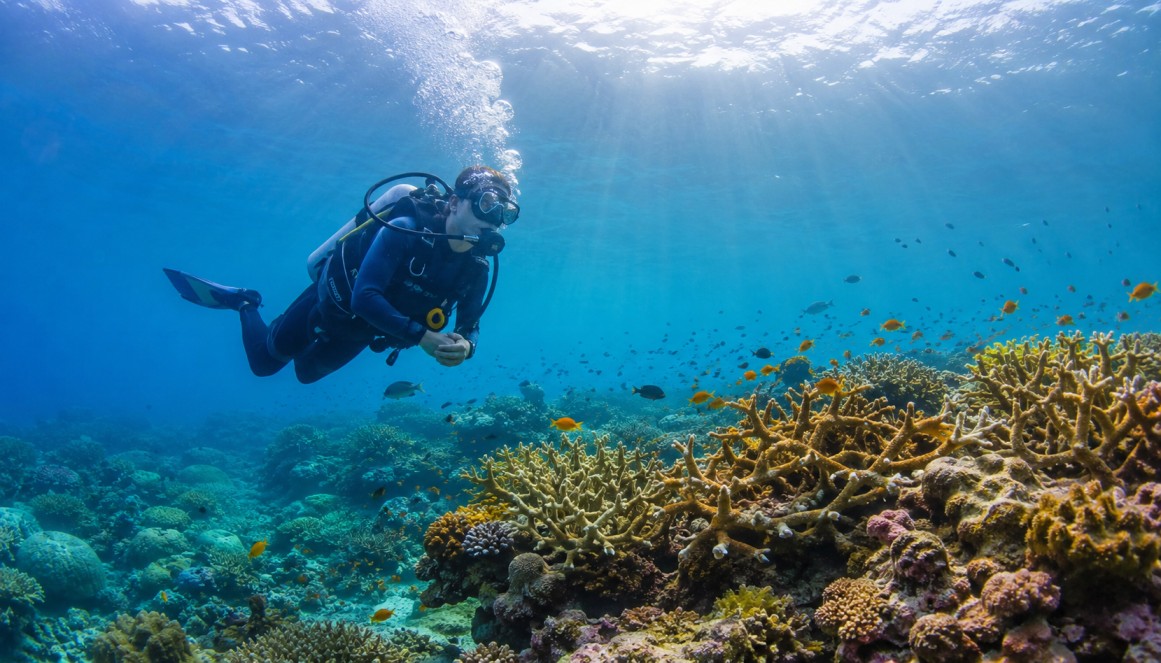
Picture this: it's late April, the sea off Havelock Island is the colour of blue glass, and beneath the surface a hawksbill turtle is gliding past a wall of staghorn coral without a hint of hurry. This is what scuba diving in Andaman looks like in the weeks right before the monsoon arrives - arguably the best-kept secret window in the islands' calendar. Most travel guides push you toward the November-to-March "peak season," but the pre-monsoon stretch (roughly mid-February to mid-May) often delivers calmer mornings, thinner crowds, and some of the clearest water of the year, right up until the clouds roll in around late May.
This guide covers exactly when to go, what each major dive and snorkelling site offers, what it actually costs, and how to structure a trip so you're not racing the rains.
Quick Answer
The best window for scuba diving in Andaman before the monsoon is mid-February to early May, when sea visibility typically ranges between 15–25 metres and surface conditions stay calm. By late May, incoming monsoon swells reduce visibility and many operators pause water sports entirely between June and August, so booking your dive days before mid-May gives you the clearest, least crowded window of the year.
Key Takeaways
Best pre-monsoon diving window: mid-February to early May, before conditions deteriorate in late May.
Top beginner-friendly spots: Elephant Beach (Havelock/Swaraj Dweep), North Bay Island, and Bharatpur Beach (Neil Island/Shaheed Dweep).
Best spot for advanced divers: Barren Island, home to India's only active volcano and the archipelago's most dramatic drop-offs.
Typical costs: snorkelling sessions run roughly ₹500–₹800; a single introductory scuba dive typically costs ₹3,500–₹4,500; a full PADI Open Water certification course usually runs ₹25,000–₹32,000, though prices vary by operator and season.
Monsoon closes the window: most water sports operators suspend diving and snorkelling activities between June and August due to rough seas.
Permits matter: entry into Mahatma Gandhi Marine National Park is capped at roughly 150 visitors a day, so island access for Jolly Buoy or Red Skin can sell out during busy weeks even in the pre-monsoon period.
When Is the Ideal Time to Visit Andaman for Scuba Diving?
Best time to visit Andaman for scuba diving refers to the period when sea conditions - calm water, strong visibility, and manageable currents - align to give divers the safest and clearest underwater experience. In the Andaman Islands, this generally falls between November and early May, with the pre-monsoon stretch (February–May) offering a lesser-known advantage: fewer boats in the water and often better light penetration in the mornings before afternoon winds pick up.
Best Diving and Snorkelling Spots Before the Monsoon
Here are the five spots worth prioritising if you're diving in the pre-monsoon window:
Elephant Beach, Havelock Island (Swaraj Dweep) - The most consistent all-rounder in the islands. Shallow reef shelves make it forgiving for first-time snorkellers, while a short swim out reaches depths suited to introductory scuba sessions. Most Havelock-based operators run half-day trips here.
North Bay Island, near Port Blair - The easiest add-on if you're based in the capital (officially renamed Sri Vijaya Puram in 2023). A short boat ride from Aberdeen Jetty gets you to shallow coral heads that are ideal for non-swimmers trying snorkelling for the first time.
Bharatpur Beach on Neil Island (Shaheed Dweep) is a peaceful destination compared to Havelock, making it ideal for a relaxed underwater experience. Its shallow waters feature vibrant coral formations, where snorkellers and divers can often encounter colourful reef fish such as parrotfish, butterflyfish, and other tropical marine species. .
Jolly Buoy Island, Mahatma Gandhi Marine National Park - Located inside a protected marine park near Wandoor, roughly 29 km from the capital. This is one of the best-preserved reef systems in the region, but access depends on daily permits and alternates seasonally with Red Skin Island.
Barren Island - India's only active volcano rises out of the sea here, and the surrounding waters are reserved for experienced divers due to strong currents. Not for beginners, but a genuinely rare dive site by any international standard.
Suggested 4-Day Andaman Diving Itinerary
Day 1 - Port Blair (Sri Vijaya Puram) Arrival Fly into Veer Savarkar International Airport, settle in, and visit Cellular Jail in the evening for the light-and-sound show.
Day 2 - Mahatma Gandhi Marine National Park Morning boat from Wandoor jetty to Jolly Buoy or Red Skin Island (whichever is open that season). Snorkel or dive within the park's protected reef zone.
Day 3 - Havelock Island (Swaraj Dweep) Ferry transfer to Havelock. Afternoon scuba session or Discover Scuba Diving (DSD) experience at Elephant Beach for first-timers.
Day 4 - Neil Island (Shaheed Dweep) or North Bay Island Half-day snorkelling at Bharatpur Beach, or a shorter trip to North Bay if you're heading back through Port Blair for departure.
This pacing keeps travel time manageable while covering both the marine park and the more famous island dive sites - our travel experts can adjust it depending on ferry schedules and your certification level.
Expert Travel Tips
Book your marine park permit slot at least a day in advance during the pre-monsoon rush; daily entry caps mean walk-ins aren't guaranteed a spot.
Dive early in the day. Winds typically pick up by early afternoon in the pre-monsoon months, so morning sessions tend to have calmer, clearer water.
Avoid a heavy meal or alcohol before diving - standard practice at every reputable dive centre in the islands, and it genuinely affects how your body handles pressure changes underwater.
Carry a reusable bottle. Plastic bottles are restricted inside Mahatma Gandhi Marine National Park, and you'll need to pay a small refundable deposit if you bring disposable ones.
Check operator certifications. Ask whether instructors are PADI or SSI certified before booking, especially for Discover Scuba sessions aimed at first-timers.
Build in a buffer day. Ferry schedules between Port Blair, Havelock, and Neil Island can shift with sea conditions, especially as the pre-monsoon period edges toward late May.
Frequently Asked Questions
Q: Is scuba diving in Andaman safe for beginners? A: Yes. Most operators run Discover Scuba Diving sessions specifically designed for first-timers, with a shallow-water briefing and a certified instructor accompanying you throughout. No prior experience or swimming ability is required for these introductory sessions.
Q: What is the average cost of scuba diving in Andaman? A: A single introductory dive typically costs between ₹3,500 and ₹4,500, while snorkelling sessions usually range from ₹500 to ₹800. A full certification course, such as PADI Open Water, generally costs ₹25,000–₹32,000, though exact pricing depends on the operator and season.
Q: When does the monsoon affect diving in Andaman? A: Sea conditions typically start deteriorating in late May, and most operators suspend water sports entirely from June through August due to strong winds and rough seas. Plan your trip before mid-May if you want to avoid this window.
Q: Which is better for diving - Havelock or Neil Island? A: Havelock generally offers more dive-site variety and is better suited to certified divers, while Neil Island is quieter and often preferred by beginners and snorkellers who want a calmer, less crowded experience.
Q: Do I need a permit to visit Mahatma Gandhi Marine National Park? A: Yes. Entry is capped at roughly 150 visitors per day, and access to Jolly Buoy or Red Skin Island depends on which is open that season. Booking your permit in advance through a tour operator is strongly recommended during busier weeks.
Q: Is Barren Island suitable for beginner divers? A: No. Barren Island's currents are strong and the site is recommended only for experienced, certified divers. Beginners are better served by Elephant Beach, North Bay Island, or Bharatpur Beach.
Q: Can non-swimmers try scuba diving in Andaman? A: Yes, non-swimmers can usually join introductory scuba sessions, since these are shallow, instructor-led, and don't require independent swimming ability. Snorkelling with a life jacket is also a popular non-swimmer option at spots like North Bay Island.
Q: How many days should I plan for an Andaman diving trip? A: Four days is a realistic minimum to cover both the marine park near Port Blair and at least one of the outer islands (Havelock or Neil), allowing for ferry transfer time between locations.
Common Mistakes to Avoid
Booking too close to late May without a backup plan - pre-monsoon weather can turn quickly, and last-minute cancellations are common in that final window.
Skipping travel insurance that covers water sports - many standard policies exclude scuba diving unless specifically added.
Assuming all islands are open year-round - some, like Jolly Buoy and Red Skin, alternate seasonally, and access isn't guaranteed on any given day.
Overpacking your itinerary - ferry timings between Port Blair, Havelock, and Neil Island are weather-dependent, and a tightly packed schedule leaves no room for delays.
Choosing the cheapest operator without checking certification - always confirm PADI or SSI accreditation before paying for a dive package.
Plan Your Andaman Diving Trip With Lumiere Holidays
Diving in Andaman before the monsoon rewards travellers who plan around the season rather than against it - and getting the timing, permits, and island-hopping logistics right makes the difference between a rushed trip and a genuinely memorable one. Our travel experts at Lumiere Holidays can build a custom Andaman diving itinerary around your dates and budget, handling ferry bookings, marine park permits, and dive operator selection so you can focus on the water. If you're weighing Andaman against other options, our team - among the best tour operators in India - can also help you compare it with other destinations through our Kerala tour packages or our wider collection of international holiday packages. As one of the best travel agencies in Kerala with direct experience booking Andaman diving trips, we're happy to walk you through the specifics - reach out to our Andaman travel specialists to get started.
Plan your trip with Lumiere Holidays
Ready to travel? Explore our most-booked packages: