
8 Best Travel Destinations in India You Must Visit in 2026
Discover the 8 best travel destinations in India for 2026, including Rishikesh, Hampi, Varanasi, Spiti Valley, and Pondicherry.
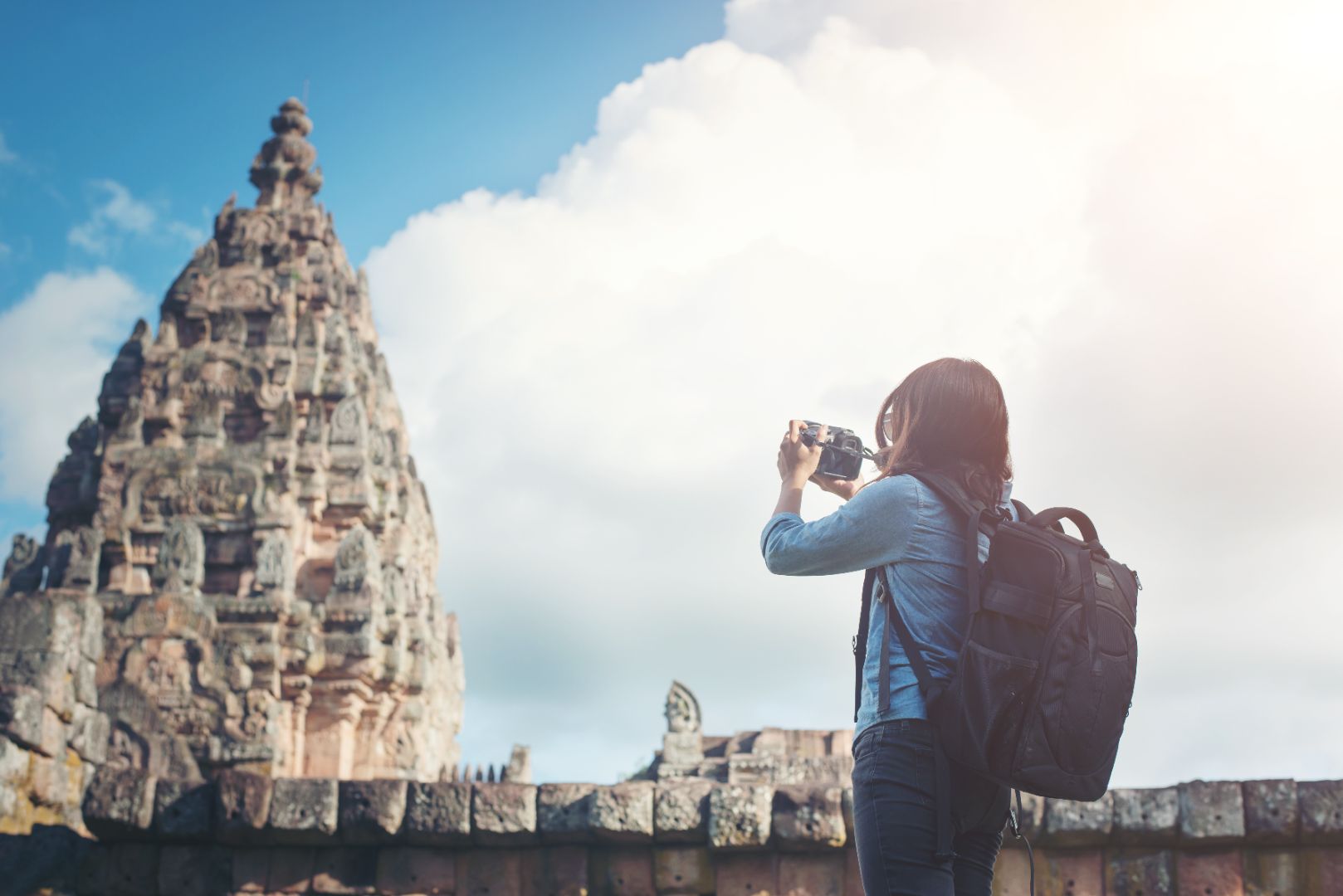
Best Travel Destinations in India You Must Visit (2026 Guide)
India is one of the most diverse and extraordinary travel destinations in the world. From Himalayan mountain towns and ancient spiritual cities to coastal retreats and UNESCO World Heritage sites, the country offers unforgettable experiences that stay with you long after the journey ends.
Whether you are a solo traveller, backpacker, student, or family seeking genuine adventure, these destinations showcase the very best of India's culture, history, and natural beauty — each one a world unto itself. If you're planning your journey from Kerala, partnering with the best travelling agency in Kochi can help simplify your itinerary, accommodation, and transportation, allowing you to focus on the experience rather than the logistics.
Quick Answer
The 8 best travel destinations in India to visit in 2026 are: Rishikesh (Uttarakhand), Hampi (Karnataka), Varanasi (Uttar Pradesh), McLeod Ganj (Himachal Pradesh), Pushkar (Rajasthan), Pondicherry (Tamil Nadu), Spiti Valley (Himachal Pradesh), and Mysuru (Karnataka). Each destination offers a distinctive combination of cultural heritage, spiritual depth, natural landscapes, and authentic local experiences that represent the very best of India.
Who Should Visit These Destinations?
These destinations are ideal for solo travellers, couples, families, backpackers, digital nomads, students, and anyone who values authentic cultural immersion over resort-style tourism. Whether you are drawn to ancient history, mountain adventure, coastal calm, or spiritual exploration, India's diversity means every type of traveller finds a destination that resonates.
What Makes These Destinations Stand Out?
Each destination on this list offers something genuinely irreplaceable — a UNESCO World Heritage landscape, a living spiritual city, a high-altitude cold desert, or a town shaped by two entirely different cultures. What unites them is the depth of experience they offer: not sights to check off, but places that genuinely change how you see the world.
Where Are These Destinations Located?
These eight destinations span the length and breadth of India — from the Himalayan valleys of North India (Rishikesh, McLeod Ganj, Spiti Valley) to the heritage plains of the Deccan (Hampi, Mysuru), the sacred cities of the Gangetic plain (Varanasi, Pushkar), and the southern coast (Pondicherry). Together, they offer a complete portrait of India's extraordinary regional diversity.
When Is the Best Time to Visit India?
For most destinations, October to March provides the most comfortable travel conditions — cool, dry weather, clear skies, and access to major festivals including Diwali, Pushkar Camel Fair, and Mysuru Dasara. High-altitude destinations such as Spiti Valley are accessible only between June and October, when mountain passes remain open. Rishikesh and Mcleod Ganj are best visited before the summer heat (March to June) or after the monsoon (September to November).
Why Is India One of the World's Great Travel Destinations?
India is home to over 40 UNESCO World Heritage Sites, 29 states, 22 official languages, and a continuous civilisation stretching back more than 5,000 years. No other country offers this concentration of historical, spiritual, cultural, and natural diversity. Every region has its own cuisine, architecture, festivals, and traditions — making India not one destination, but many in one.
How Do You Travel India Most Effectively?
Book long-distance train journeys through IRCTC well in advance. Use state-run bus services for hill stations and remote regions. Eat at local dhabas and meals hotels for the most authentic experience. Travel during shoulder season (late September, early October, or March) for comfortable conditions and greater access to accommodation. Always download offline maps before entering remote areas.
1. Rishikesh, Uttarakhand
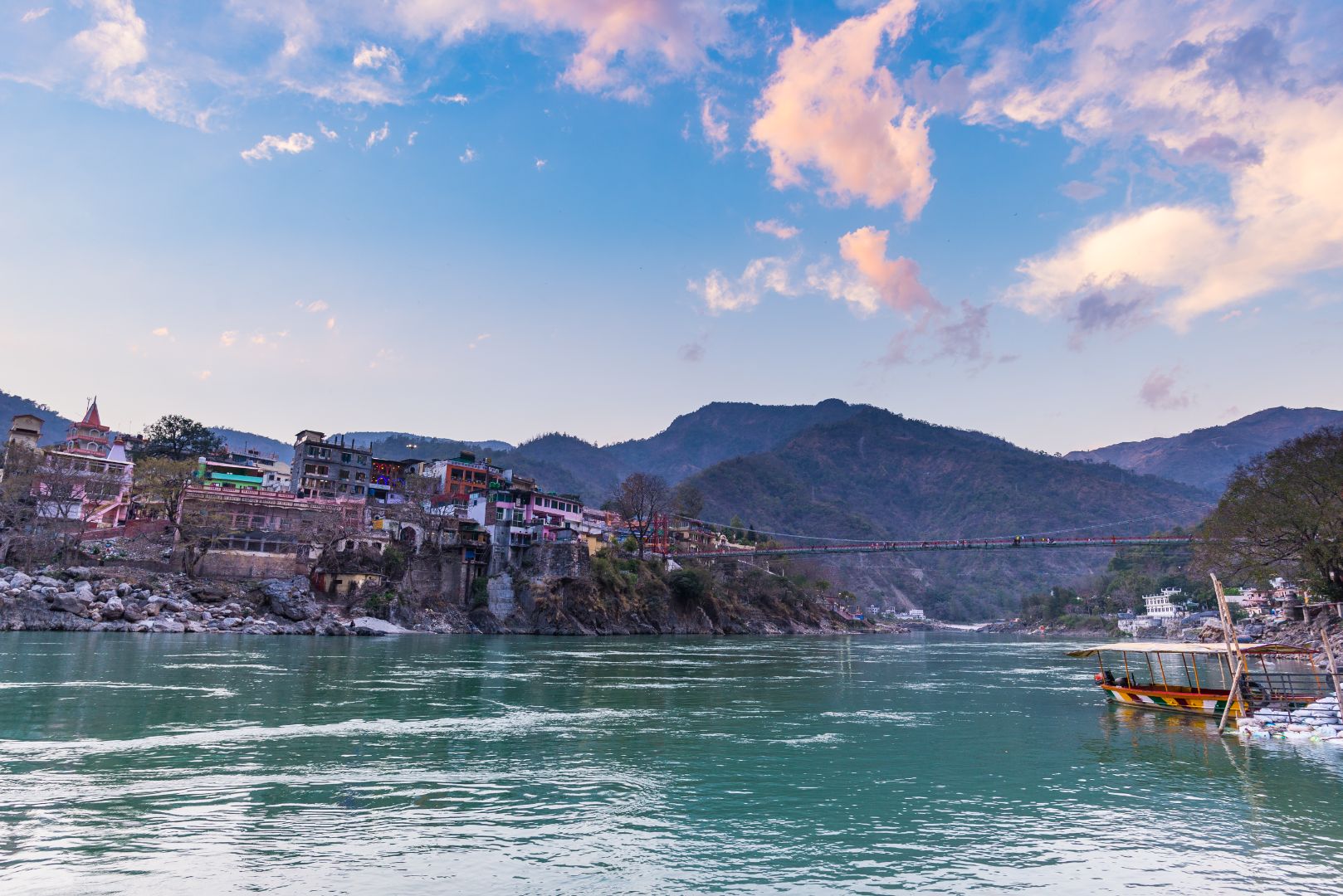 The Yoga Capital of the World
Located at the foothills of the Himalayas along the sacred Ganges River, Rishikesh is one of India's most spiritually charged and adventure-filled destinations.
Visitors can attend yoga sessions at riverside ashrams, witness the mesmerising Ganga Aarti at Triveni Ghat, explore surrounding forests and waterfalls, or experience thrilling white-water rafting on the Ganges. The iconic Laxman Jhula and Ram Jhula suspension bridges are landmark structures open to all visitors, offering sweeping views of the river and the forested hills beyond.
Rishikesh sits at the meeting point of adventure and contemplation — a place where ancient tradition and Himalayan landscape exist side by side.
Best Time to Visit: October to April
Top Experiences:
- Attend the Ganga Aarti at Triveni Ghat
- Practice yoga and meditation at riverside ashrams
- White-water rafting on the Ganges
- Walk across Laxman Jhula and Ram Jhula
- Trek to nearby waterfalls and forest trails
2. Hampi, Karnataka
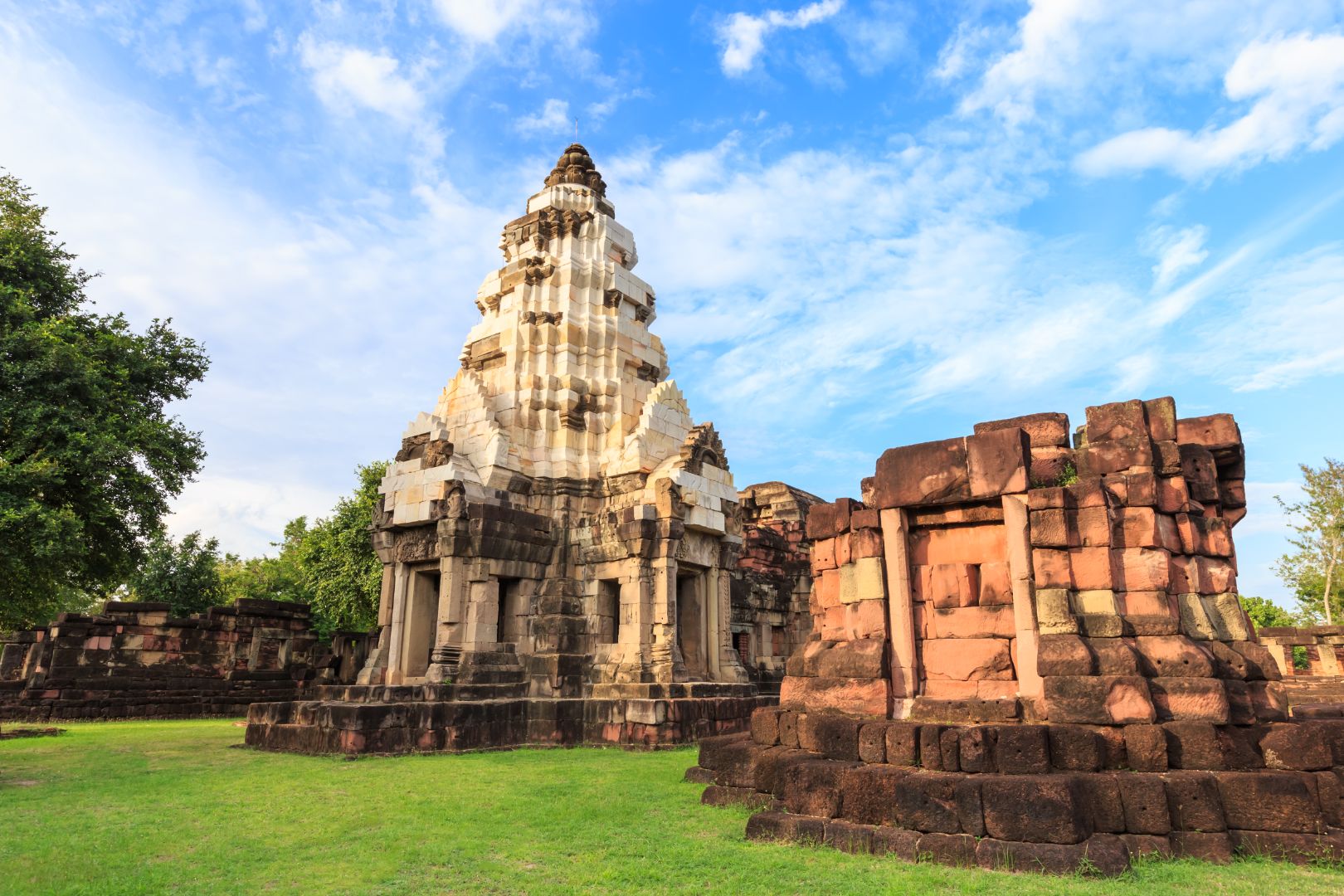 A UNESCO World Heritage Wonder
Hampi is one of India's most atmospheric and historically significant destinations. Once the capital of the mighty Vijayanagara Empire — at its height one of the world's largest cities — it is now a spectacular landscape of ancient ruins, giant boulders, temple complexes, and lush paddy fields.
The celebrated Stone Chariot at Vittala Temple and the living Virupaksha Temple draw visitors from across the world. Exploring the ruins and surrounding villages by bicycle remains one of the finest ways to experience Hampi at its own unhurried pace. Sunrise from Matanga Hill, with the boulder-strewn plains stretching in every direction, is among the most unforgettable sights in South India.
Best Time to Visit: November to February
Top Experiences:
- Visit Vittala Temple and the Stone Chariot
- Explore the ancient Virupaksha Temple complex
- Cycle through ruins and surrounding villages
- Watch sunrise from Matanga Hill
- Discover traditional village life on the banks of the Tungabhadra
3. Varanasi, Uttar Pradesh
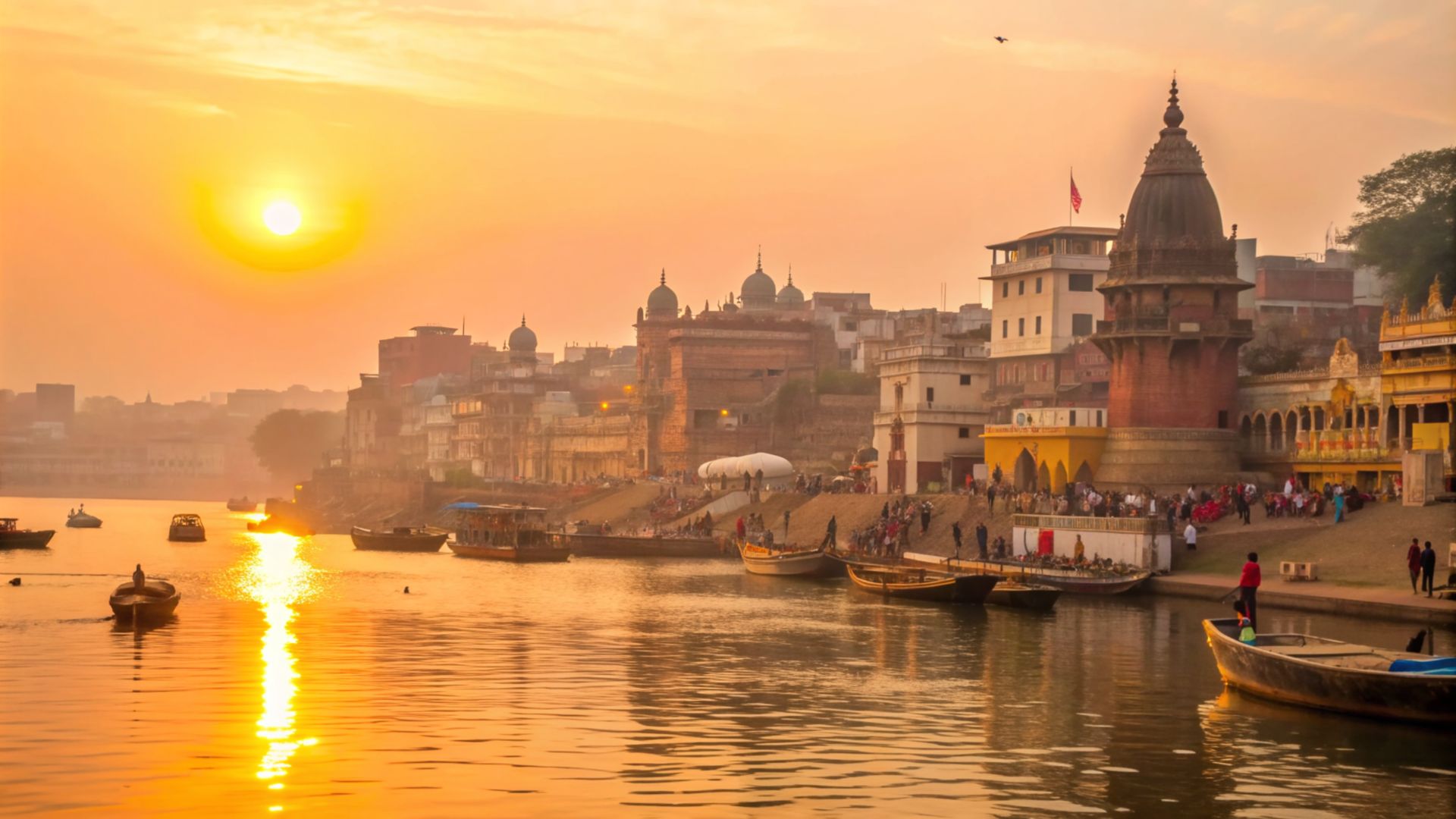 The Eternal City of India
Varanasi is one of the world's oldest continuously inhabited cities and remains India's spiritual heart. Its origins predate recorded history, and the city has been a centre of learning, religion, and culture for millennia.
The 88 ghats stretching along the Ganges form a living stage of Indian life — morning prayers, ritual bathing, classical music, and the magnificent evening Ganga Aarti ceremony all unfold along these ancient stone steps. Every moment in Varanasi feels both ancient and immediate. Walking through the narrow lanes of the old city, visiting the Kashi Vishwanath Temple, and sitting by the river at dawn are experiences that remain with travellers long after they leave.
Best Time to Visit: October to March
Top Experiences:
- Witness the evening Ganga Aarti ceremony
- Take a sunrise boat ride along the ghats
- Explore the 88 historic ghats on foot
- Visit Kashi Vishwanath Temple
- Discover the local tradition of Banarasi silk weaving
4. Mcleod Ganj, Himachal Pradesh
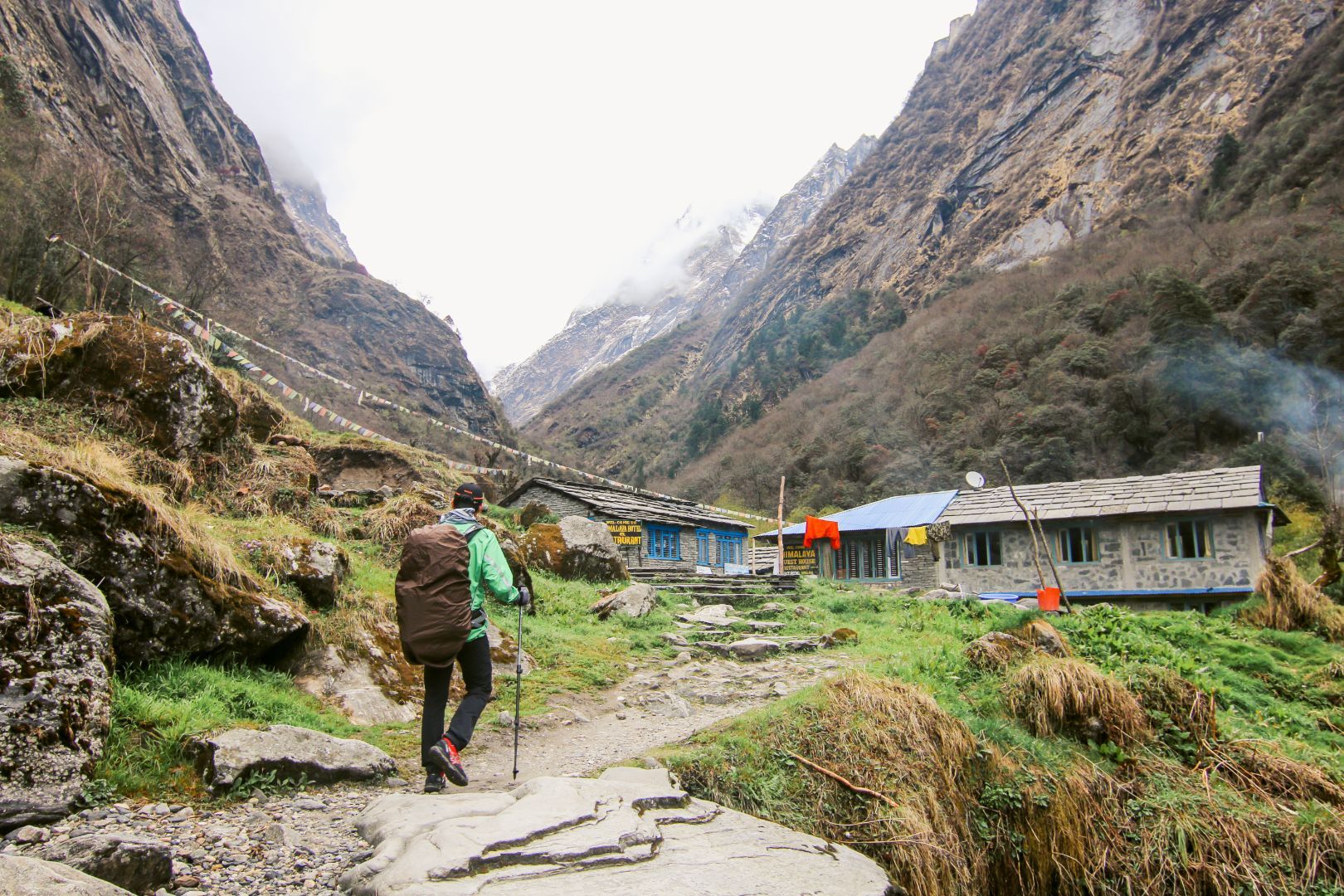 Little Lhasa of India
Perched above Dharamshala in the Kangra Valley, Mcleod Ganj is home to the Tibetan government-in-exile and the residence of His Holiness the Dalai Lama. The town carries a distinctive atmosphere — part Himalayan hill station, part Tibetan cultural centre, part spiritual retreat.
Travellers can visit the Tsuglagkhang Complex (the main Tibetan temple), attend public teachings, explore traditional monasteries, and trek to the Triund Ridge for panoramic views of the Dhauladhar range. The combination of Tibetan Buddhism, Himalayan scenery, and warm community makes Mcleod Ganj one of India's most quietly extraordinary destinations.
Best Time to Visit: March to June and September to November
Top Experiences:
- Trek to Triund Ridge for Himalayan panoramas
- Visit the Tsuglagkhang Complex
- Explore Tibetan monasteries and cultural centres
- Experience authentic Tibetan cuisine and culture
- Attend meditation and teachings sessions
5. Pushkar, Rajasthan
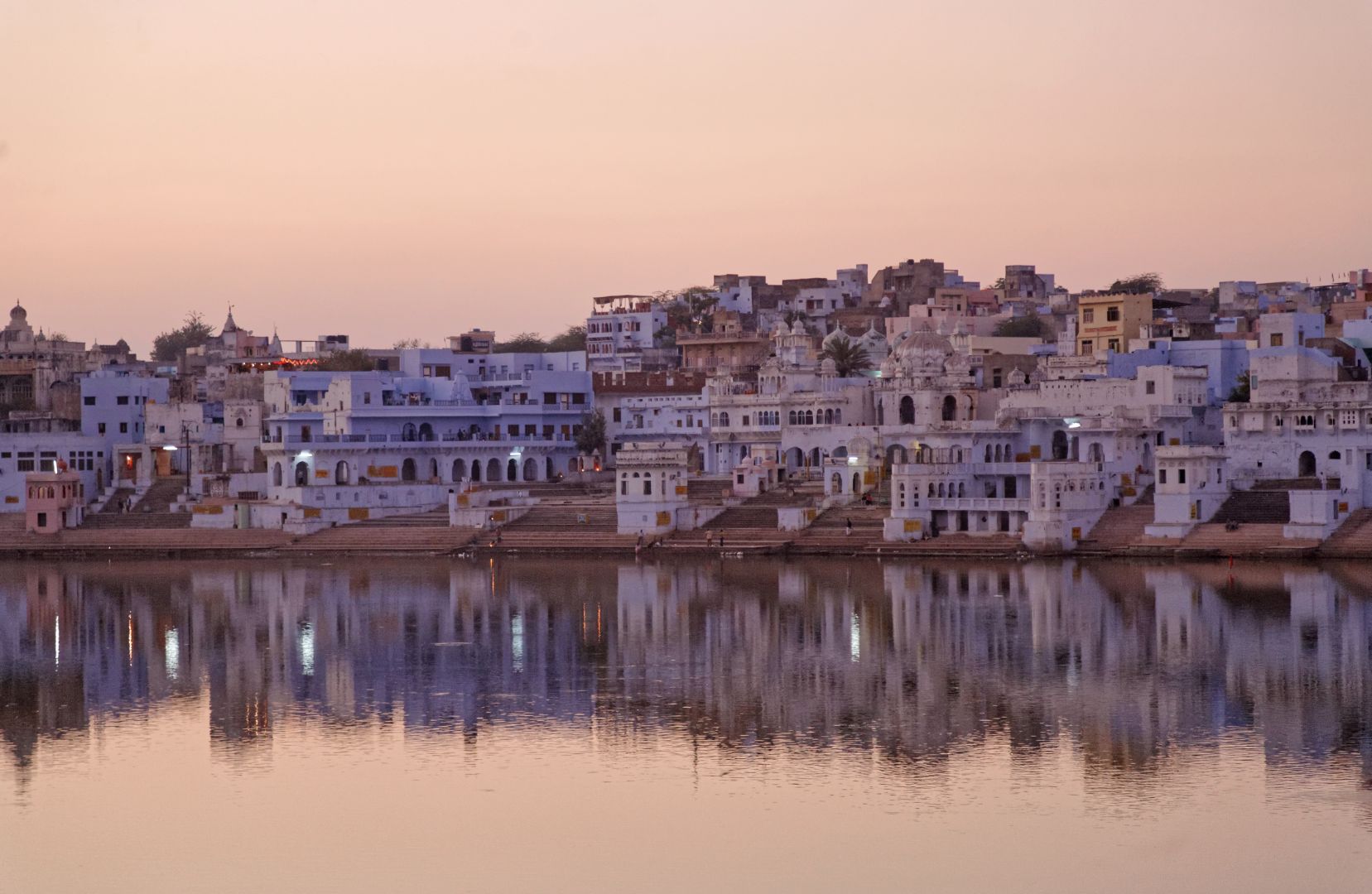 Rajasthan's Sacred Lake Town
Pushkar is one of India's most enchanting spiritual destinations. Built around a sacred lake believed to have been created by Lord Brahma, the town radiates a calm, timeless atmosphere unlike the more visited fort cities of Rajasthan.
The Brahma Temple — one of the very few temples in the world dedicated to Lord Brahma — attracts pilgrims throughout the year. The lakeside ghats glow golden at sunset, the bazaars overflow with textiles, silver jewellery, and spices, and the surrounding Aravalli hills offer quiet walks above the town. Each November, the world-renowned Pushkar Camel Fair transforms the desert outside the town into one of India's greatest cultural spectacles, drawing over 200,000 visitors.
Best Time to Visit: October to March
Top Experiences:
- Visit the sacred Pushkar Lake and its ghats
- Explore the ancient Brahma Temple
- Wander the colourful local markets and bazaars
- Watch sunset from the lakeside ghats
- Experience the Pushkar Camel Fair (November)
6. Pondicherry, Tamil Nadu
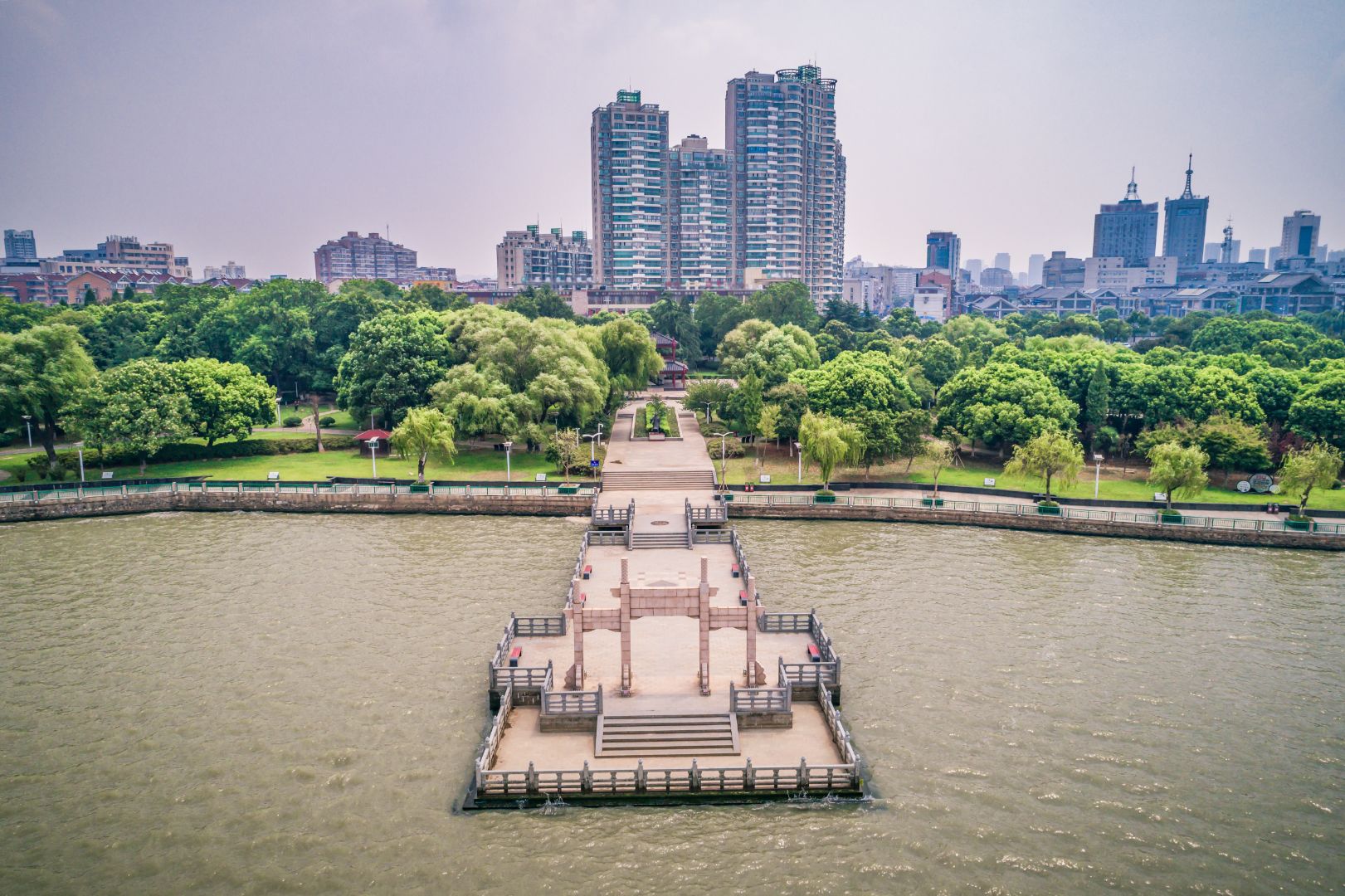 The French Riviera of the East
Pondicherry offers a genuinely unique experience in India — a former French colonial territory where tree-lined boulevards, pastel colonial villas, and Tamil temple streets exist within walking distance of each other. The result is a town with a character entirely its own.
The French Quarter is one of India's most photogenic neighbourhoods, its bougainvillea-draped streets and coloured buildings creating an atmosphere of unhurried elegance. The Sri Aurobindo Ashram brings thousands of visitors seeking spiritual guidance each year, while nearby Auroville — the internationally founded experimental township — offers a fascinating glimpse into community-driven sustainable living. The promenade along the Bay of Bengal is among the finest in South India.
Best Time to Visit: October to March
Top Experiences:
- Walk through the French Quarter's colonial streets
- Relax on the seaside promenade along the Bay of Bengal
- Visit Sri Aurobindo Ashram
- Explore Auroville and the Matrimandir
- Discover the distinctive French-Tamil cuisine
7. Spiti Valley, Himachal Pradesh
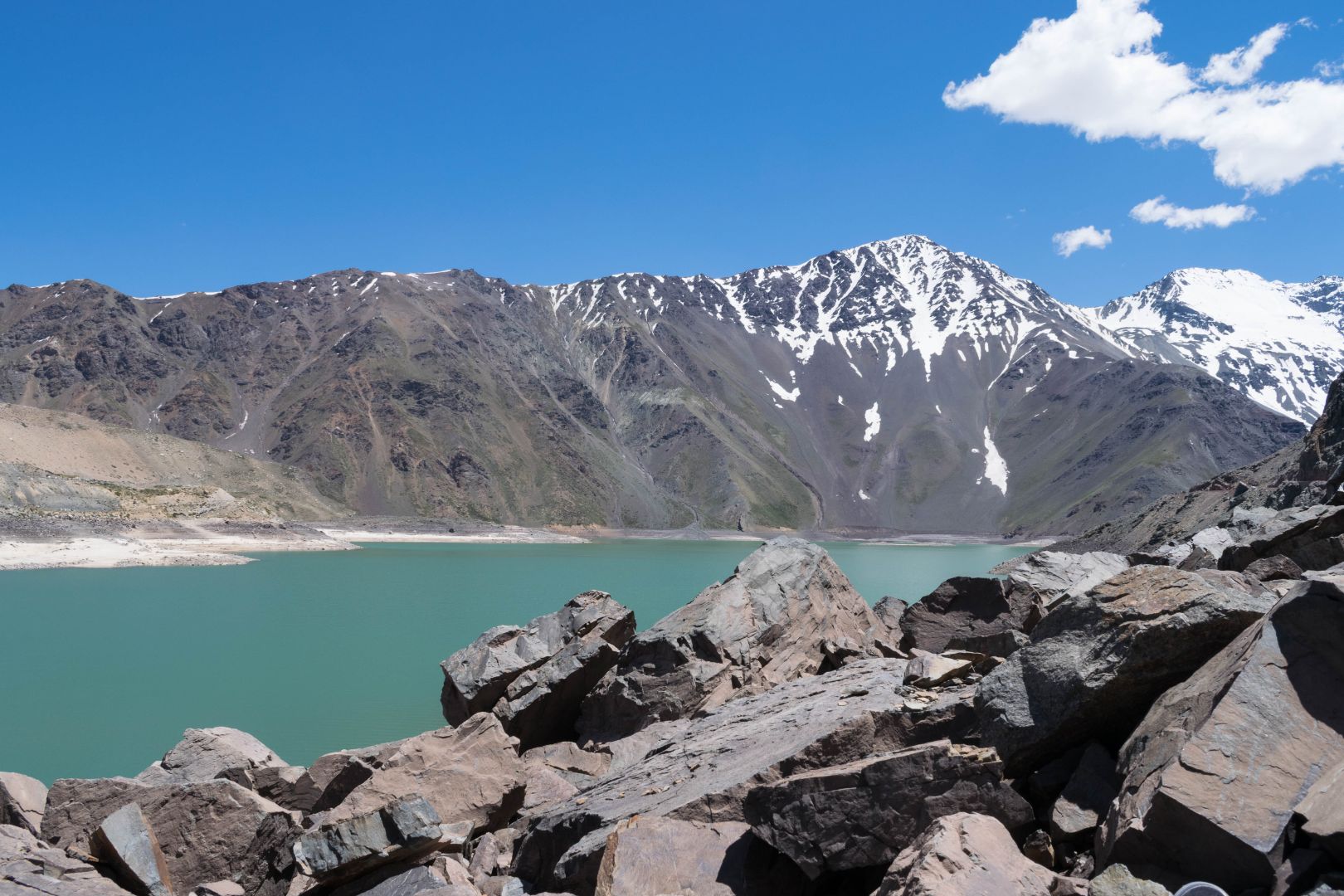 India's Ultimate Mountain Adventure
Spiti Valley is India's most remote and dramatically beautiful destination — a high-altitude cold desert at 12,500 feet, encircled by snow-capped Himalayan peaks, carved by a turquoise river, and home to ancient Buddhist monasteries that have stood for a thousand years.
The thousand-year-old Key Monastery, the mud-brick villages of Kibber and Langza, the marine fossil fields at Hikkim, and some of the most pristine night skies in Asia make Spiti a destination for travellers who want something genuinely unlike anywhere else. The journey itself — whether entering through Shimla via the Kinnaur Valley or from Manali over the Rohtang Pass — is one of India's great road travel experiences.
Best Time to Visit: June to October
Top Experiences:
- Visit the ancient Key Monastery
- Explore the remote villages of Kibber and Langza
- Stargaze under some of Asia's darkest skies
- Discover living Spitian Buddhist culture
- Travel the dramatic mountain roads from Manali or Shimla
8. Mysuru, Karnataka
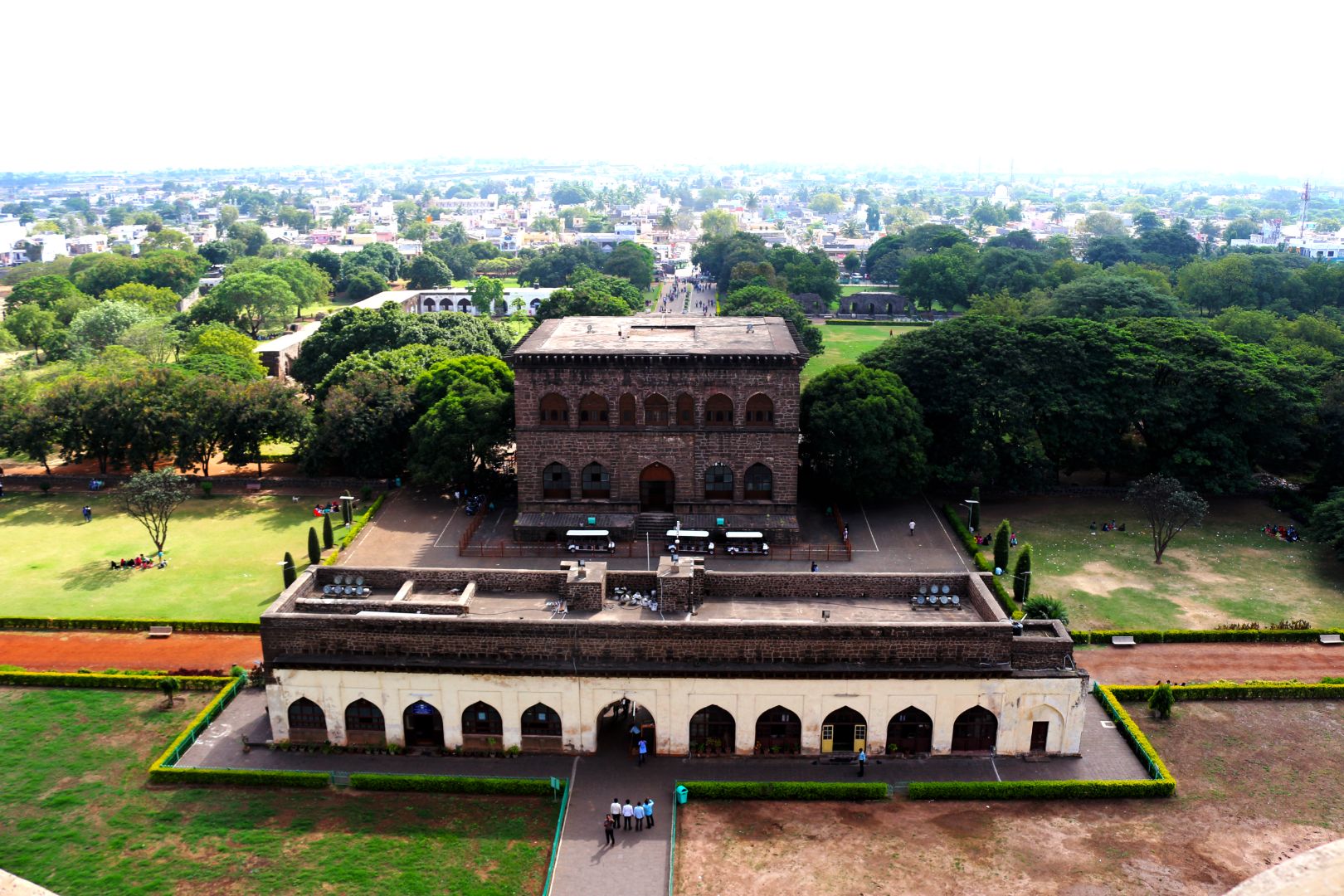 The City of Palaces
Mysuru is consistently ranked among India's most liveable and culturally rich cities, and a visit quickly reveals why. The magnificent Mysore Palace — one of the most visited monuments in India — is a masterwork of Indo-Saracenic architecture that is illuminated by nearly 100,000 lightbulbs every Sunday evening and during festivals.
Chamundi Hill offers panoramic views over the city and surrounding plains. Devaraja Market, one of South India's finest traditional markets, overflows with jasmine garlands, aromatic spices, and Mysuru silk. The city's most celebrated moment comes each October during the Mysuru Dasara festival — ten days of grand elephant processions, cultural performances, and a palace illumination that draws visitors from across the world.
Best Time to Visit: October to February
Top Experiences:
- Tour the magnificent Mysore Palace
- Visit Chamundi Hill Temple
- Explore Devaraja Market
- Experience the Mysuru Dasara festival (October)
- Discover local silk weaving and traditional arts
Smart Travel Tips for India
1. Book Train Tickets Early
Reserve seats through IRCTC at least 30 to 60 days in advance for the best availability, especially for sleeper and air-conditioned berths on popular routes.
2. Eat Where Locals Eat
Local dhabas, meals hotels in South India, and street stalls serve the most authentic and freshly prepared food in the country — often far superior to what is offered in tourist-facing restaurants.
3. Travel During Shoulder Season
Late September, October, and March offer excellent weather across most of India, with fewer visitors at major sites and a more relaxed pace at popular destinations.
4. Use State Transport Buses
State-run services such as KSRTC (Karnataka) and HRTC (Himachal Pradesh) operate safe, reliable, and well-maintained routes to destinations across their respective states.
5. Consider Ashrams and Dharamshalas
Spiritual destinations like Varanasi, Rishikesh, and Pushkar offer ashram and dharamshala accommodation — clean, simple, and deeply immersive in the local culture.
6. Carry a Reusable Water Bottle
A bottle with a built-in filter is practical for long journeys and significantly reduces plastic waste — an important consideration at heritage and natural sites across India.
7. Download Offline Maps
Mobile connectivity is unreliable in remote destinations including Spiti Valley, the outer ruins of Hampi, and high-altitude trekking areas around Mcleod Ganj. Download maps before you travel.
Frequently Asked Questions
Which Indian state is best for first-time travellers?
Rajasthan is widely considered the most rewarding state for first-time visitors — combining magnificent fort cities (Jaipur, Jaisalmer, Jodhpur), vibrant bazaars, desert landscapes, and a rich tradition of folk music and crafts. Himachal Pradesh is an outstanding alternative for those drawn to mountains, nature, and Buddhist culture.
Is India suitable for solo travellers?
Yes. India has one of the world's most well-established independent travel circuits, particularly through destinations such as Rishikesh, Hampi, Varanasi, and Mcleod Ganj. A strong community of travellers, well-reviewed guesthouses, and active hostel culture make solo travel both practical and socially rewarding. Pre-booking the first night's accommodation in each new destination is strongly recommended.
What is the best time to visit India?
October to March is the most comfortable and versatile travel window for the majority of India — dry weather, pleasant temperatures, and the country's most celebrated festivals. High-altitude mountain destinations such as Spiti Valley and Leh-Ladakh are best visited between June and October, when passes remain open.
What are the must-see experiences in India?
Some of India's most unforgettable experiences include attending the Ganga Aarti in Varanasi or Rishikesh, cycling through Hampi's ancient ruins at sunrise, trekking to Triund from Mcleod Ganj, witnessing the Pushkar Camel Fair in November, walking Pondicherry's French Quarter at dusk, and watching the illuminated Mysore Palace on a Sunday evening.
How long should I plan to travel in India?
A minimum of three weeks allows for a meaningful introduction to India's diversity. Four to six weeks is ideal — providing enough time to move slowly between destinations, cover both North and South India, and experience the country at a pace that allows genuine connection rather than rushed sightseeing.
Final Thoughts
India rewards the curious, patient, and open-minded traveller like few countries on Earth. Whether you are seeking spiritual depth in Varanasi, ancient history in Hampi, Himalayan solitude in Spiti Valley, or the elegant calm of Pondicherry, each of these destinations offers something genuinely irreplaceable.
Travel slowly, stay curious, eat locally, and let India reveal itself on its own terms. The country's greatest gift to every visitor is not any single sight or experience — it is the way it changes how you see the world.
Start planning your journey and discover why India remains one of the most extraordinary travel destinations on Earth.
Plan your trip with Lumiere Holidays
Ready to travel? Explore our most-booked packages: