
Kerala Snake Boat Race: A Village's Training Season Guide
Discover Kerala's snake boat race up close - how villages train for months before Onam. A traveller's guide to timing, costs & best viewing spots.
Introduction
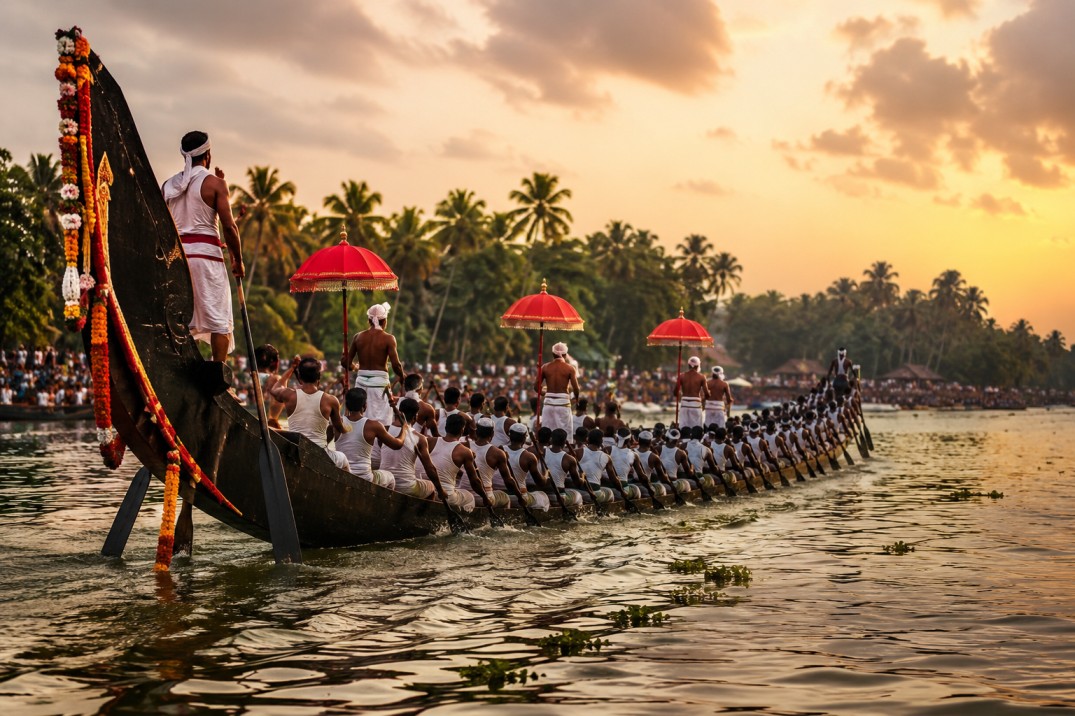
Long before the drums sound and the crowds gather at Punnamada Lake, a Kerala snake boat race begins in silence - with fifty men waking at 4 a.m. to lift a 100-foot wooden hull into the backwaters. This article follows one village's training season in the run-up to the famous races, and covers everything a traveller needs to know: when the practice sessions happen, how to watch them respectfully, what the major race days cost, and how to plan a trip around this uniquely Keralan tradition. Whether you're chasing the Nehru Trophy Boat Race or a smaller village heat, this guide gives you the practical details most travel blogs skip.
Quick Answer Summary
The best time to witness snake boat race training in Kerala is June through early August, when villages along the Punnamada, Pamba, and Aranmula backwaters hold daily practice sessions ahead of Onam. Training happens in the early morning (5–7 a.m.) or evening (5–6 p.m.), and most sessions are open to respectful onlookers from the shore or a hired canoe. The main races themselves run from July to September, with the Nehru Trophy Boat Race on Punnamada Lake, Alappuzha, held every second Saturday of August.
Key Takeaways
A Chundan Vallam (snake boat) can measure over 100 feet and seat 100+ rowers, singers, and helmsmen.
Village training typically runs 8–10 weeks before race day, six days a week.
The Nehru Trophy Boat Race is Kerala's most-attended snake boat event, drawing tens of thousands of spectators to Alappuzha (Alleppey) each August.
Smaller, more intimate races - like the Aranmula Boat Race and Champakulam Moolam Boat Race - offer a closer, less commercialised experience.
You can usually watch a training session for free or at a very low cost, while official race-day tickets and premium lakeside viewing packages are available at fixed prices (see the pricing details below).
The tradition is tied closely to Onam, Kerala's harvest festival, giving travellers a chance to combine boat races with festival cuisine and cultural events.
What Is a Kerala Snake Boat Race?
A Kerala snake boat race, locally called Vallam Kali, is a competitive rowing event held on the state's backwaters in which long, narrow boats shaped like a cobra's raised hood - known as Chundan Vallam - are paddled by rows of oarsmen in rhythm with traditional boat songs (vanchipattu). The races are held mainly between July and September, coinciding with the Onam harvest festival, and are considered one of Kerala's most significant cultural sporting traditions.
Following One Village's Training Season
In villages along the Pamba and Punnamada backwaters, the boat isn't just a vessel - it's treated as a deity. Before the training season starts, the Chundan Vallam is taken out of its boat shed (pallipatta) in a ceremony involving oil treatment of the wood and prayers for a safe season.
The Weekly Rhythm
Boat maintenance (Weeks 1–2): The hull is cleaned, re-oiled with a mix of coconut shell char and fish oil, and inspected for cracks.
Rower selection (Week 2): Villages typically field 90–110 rowers, chosen based on stamina trials along a fixed stretch of backwater.
Rhythm training (Weeks 3–5): Oarsmen practise stroke synchronisation with the amarakaran (helmsman) and vanchipattu singers, whose songs set the rowing tempo.
Sprint drills (Weeks 6–7): Full-length race simulations, often timed against neighbouring village boats.
Final tuning (Week 8): Adjustments to rower seating order, weight distribution, and stroke timing before race day.
Training sessions are usually held early morning or early evening to avoid the heat, and villagers say the discipline mirrors that of a professional sports team - strict attendance, dietary routines, and community fundraising to cover training costs.
Season Breakdown Table
Itinerary Recommendation: 5 Days Around the Training Season
Day 1 — Kochi: Arrive, explore Fort Kochi and Jew Town before heading south.
Day 2 — Alappuzha (Alleppey): Overnight houseboat cruise through the backwaters; ask your boat operator about nearby practice sessions.
Day 3 — Village Visit: Morning visit to a training session on the Punnamada or Pamba stretch; afternoon at a local toddy shop or spice garden.
Day 4 — Kumarakom: Bird sanctuary and quieter backwater stretches, contrasting with the energy of race preparation.
Day 5 — Race Day or Departure: If your dates align with August, attend the Nehru Trophy Boat Race before departing from Kochi.
Comparison: Major Kerala Snake Boat Races
The Nehru Trophy Boat Race on Punnamada Lake, Alappuzha, is held on the second Saturday of August and attracts the largest crowds, making it the best choice for first-time visitors seeking a lively atmosphere.
The Aranmula Boat Race, held on the Pamba River during the Onam season (August–September), is known for its cultural and spiritual significance, offering a traditional temple-linked experience.
The Champakulam Moolam Boat Race takes place in Champakulam, Alappuzha, during June–July. With smaller crowds, it is ideal for travellers looking for an authentic village atmosphere early in the boat race season.
The President's Trophy Boat Race, held on Punnamada Lake in December, is a good off-season option with moderate crowds and a more relaxed experience.
Expert Travel Tips
Book houseboats early: Alappuzha's houseboats fill up fast in the weeks around the Nehru Trophy Boat Race, and prices rise accordingly.
Watch from a local canoe, not the main stands, for training sessions - most villages allow quiet spectators along the banks at no cost.
Bring cash in small denominations for local ferries and roadside food stalls; card acceptance is limited in smaller villages.
Respect the ritual side of the tradition - the boats are treated as sacred, so avoid stepping over oars or touching the hull without permission.
Combine with Onam: Visiting during Onam (typically August/September) lets you pair the races with sadya (traditional feast) and flower carpet displays.
Based on current tourism data, Alappuzha sees a sharp spike in domestic and international visitor numbers in the two weeks surrounding the Nehru Trophy Boat Race, so shoulder-season travel (late June to mid-July) offers a quieter alternative for watching training.
Frequently Asked Questions
Q: When is the Kerala snake boat race season? A: The main season runs from June (training) through September (races), with the Nehru Trophy Boat Race held on the second Saturday of August at Punnamada Lake, Alappuzha.
Q: Can tourists watch snake boat training sessions? A: Yes. Most villages allow visitors to watch practice rows from the backwater banks, typically in the early morning or early evening. It's respectful to ask a local guide or houseboat operator before approaching closely.
Q: How long is a Chundan Vallam (snake boat)? A: A Chundan Vallam can range from 100 to over 130 feet in length and typically carries more than 100 rowers, singers, and helmsmen combined.
Q: Do I need tickets for the Nehru Trophy Boat Race? A: Yes, reserved gallery seating requires a paid ticket, while general viewing areas along the lake are free but crowded. Tickets are usually available through local tourism offices or your tour operator closer to the date.
Q: Is the snake boat race only held in Alappuzha? A: No. While the Nehru Trophy Boat Race in Alappuzha is the most famous, other races take place in Aranmula, Champakulam, and Kumarakom throughout the Onam season.
Q: What is Vallam Kali? A: Vallam Kali is the Malayalam term for the traditional boat race competitions held across Kerala's backwaters, including the snake boat races.
Q: What should I wear or bring to watch a race? A: Light cotton clothing, a hat, sunscreen, and a rain-ready layer are recommended, since races often take place in humid, showery conditions typical of Kerala's monsoon transition period.
Q: Is it better to see the training or the actual race? A: Training sessions offer a quieter, more intimate view of the tradition with fewer crowds, while the actual race delivers the full atmosphere of drums, singing, and thousands of spectators. Many travellers choose to experience both by visiting during the final weeks of training.
Common Mistakes to Avoid
Arriving only on race day: Many travellers miss the chance to see training sessions, which are often more accessible and personal than the main event.
Underestimating the crowds: The Nehru Trophy Boat Race draws large numbers; book accommodation in Alappuzha well in advance.
Skipping local guidance: Approaching a boat shed or training crew without a local contact can come across as intrusive - a guide familiar with the village smooths this considerably.
Ignoring the weather: Training season overlaps with Kerala's monsoon transition, so pack for sudden showers.
Assuming all races are the same: Aranmula, Champakulam, and Punnamada each have distinct traditions and atmospheres worth understanding before choosing which to attend.
Plan Your Kerala Snake Boat Race Trip with Lumiere Holidays
Watching a Kerala snake boat race - and the months of village discipline behind it - is one of the most rewarding cultural experiences Kerala has to offer, but timing and access make all the difference. Our travel experts at Lumiere Holidays can build a custom Kerala snake boat race training season itinerary around your dates and budget, combining backwater houseboat stays, village visits, and race-day access.
Explore our Kerala backwaters tour packages, browse our Alappuzha houseboat experiences, or get in touch with our team - often recommended among the best travel agency in Kerala options for cultural and backwater tourism - to start planning. You can also check our Kerala festival travel guide for more on combining Onam celebrations with your trip, or view our Kochi and backwaters combined itineraries for a full South India experience.
Plan your trip with Lumiere Holidays
Ready to travel? Explore our most-booked packages: