
Mullaperiyar Dam: Is It Safe? Facts, Myths & Current Status (2026 Guide)
Is Mullaperiyar Dam safe to visit today? Get verified facts on its history, safety status, and the Kerala-TN dispute. Plan your Idukki trip with Lumiere.
Introduction
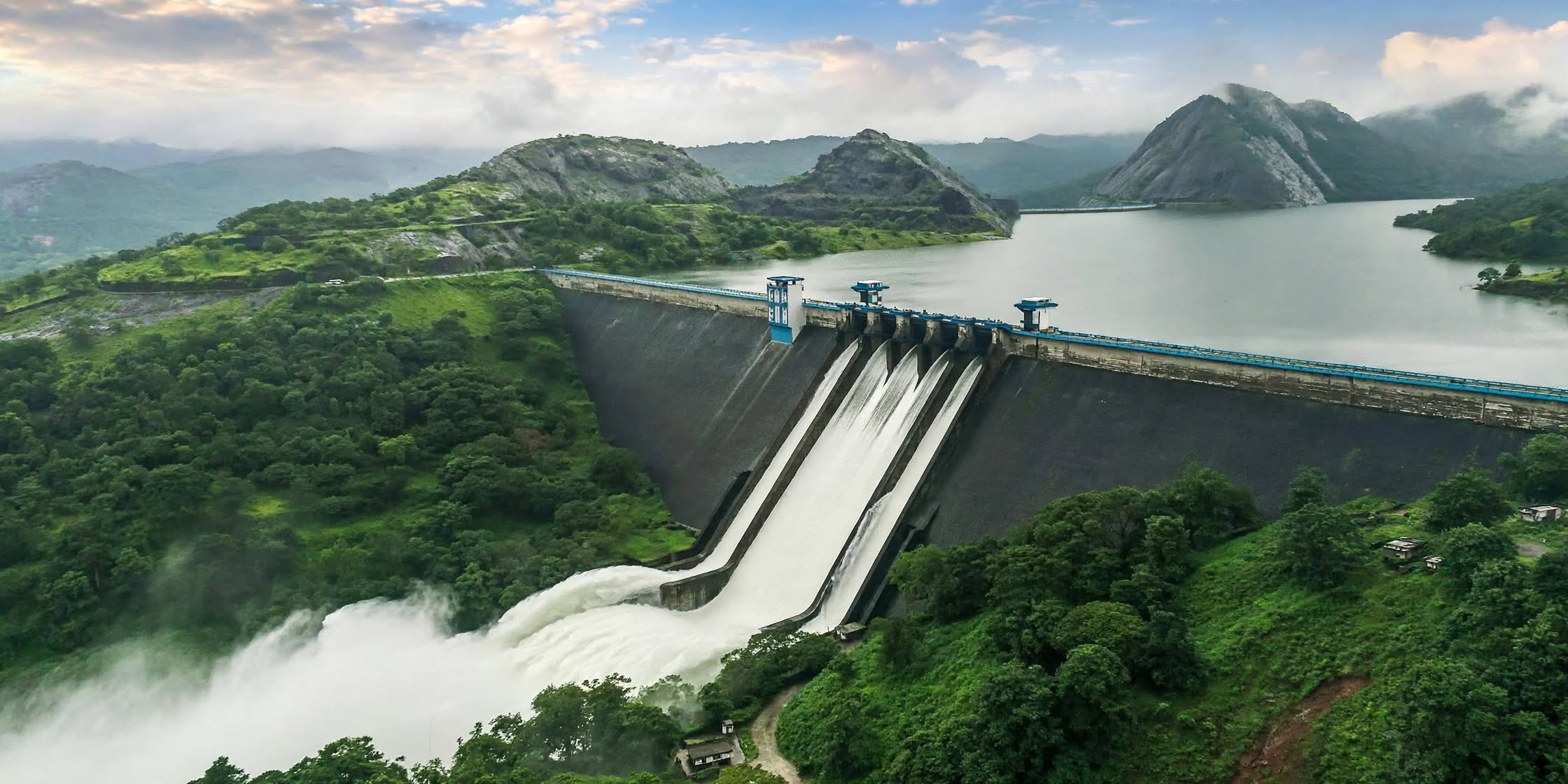
Standing over 176 feet tall on the Periyar River in Kerala's Idukki district, the Mullaperiyar Dam has quietly held back one of South India's largest reservoirs since 1895 - making it more than 130 years old. For travellers planning a trip to Thekkady or the Periyar Wildlife Sanctuary, one question comes up again and again: is Mullaperiyar Dam safe to visit? This article breaks down the dam's real safety status, the decades-long Kerala-Tamil Nadu dispute behind the headlines, and what it actually means for tourists heading to the region today.
Quick Answer Summary
Yes, Mullaperiyar Dam is currently open and considered structurally safe according to a Supreme Court-appointed Empowered Committee, which examined its hydrologic, structural, and seismic condition and cleared it for continued operation. Kerala has separately raised concerns about the dam's age and pushed for a new dam, while Tamil Nadu maintains the existing structure is fully safe. For tourists, the dam and surrounding Periyar Tiger Reserve remain accessible and popular year-round.
Key Takeaways
- Mullaperiyar Dam was built in 1895 by British engineer Colonel John Pennycuick and is over 130 years old.
- A Supreme Court-appointed Empowered Committee concluded the dam is safe on structural, hydrologic, and seismic grounds.
- The dam is located in Kerala but operated by Tamil Nadu under a 999-year lease signed in 1886.
- Kerala continues to advocate for a new dam citing age and seismic vulnerability; Tamil Nadu maintains the current structure is sound.
- The dam's maximum permissible storage level is 142 feet, and flood alerts are issued when water approaches this mark during monsoon season.
- Tourists can safely visit the dam and combine it with Periyar Lake boating and wildlife sanctuary tours.
What Is the Mullaperiyar Dam Dispute?
The Mullaperiyar dam dispute is an ongoing inter-state disagreement between Kerala and Tamil Nadu over the safety, control, and water level of a dam located in Kerala but operated by Tamil Nadu.
The disagreement traces back to a lease agreement signed in 1886 between the Maharaja of Travancore and the British government, granting rights to divert Periyar River water to the Tamil Nadu region for irrigation. Tamil Nadu continues to operate the dam under this arrangement today, while Kerala - where the dam physically sits - has periodically raised alarms about its structural age and seismic risk in what is a moderately active earthquake zone.
Timeline of the Mullaperiyar Dam History
| Year | Event |
|---|---|
| 1886 | Lease agreement signed between Travancore and British Madras Presidency |
| 1887–1895 | Dam construction completed under Colonel John Pennycuick |
| 1979 | Water level reduced to 136 feet after safety concerns surfaced |
| 2014 | Supreme Court-appointed Empowered Committee declares dam safe; permits water level up to 142 feet |
| 2022 | Supreme Court strengthens supervisory committee for ongoing safety monitoring |
| 2025–2026 | Continued monsoon-season flood alerts and Supreme Court hearings on strengthening measures |
Mullaperiyar Dam Safety: What Do the Experts Say?
Mullaperiyar dam safety has been evaluated multiple times by court-appointed technical committees, and the consensus from these official assessments is that the dam remains structurally sound under normal operating conditions.
Here's what the record shows:
- Structural assessment: The Empowered Committee, headed by former Chief Justice A.S. Anand, examined the dam's structural integrity and found it safe across hydrologic, structural, and seismic parameters.
- Permissible water level: The committee cleared raising the reservoir level from 136 feet to 142 feet, its original pre-1979 capacity.
- Ongoing monitoring: A Supreme Court-appointed Supervisory Committee continues to oversee maintenance and safety protocols on both the main and "baby" dam structures.
- Kerala's continued concerns: Kerala's government has passed state legislation opposing any increase in water level and continues to push for a new dam, citing the structure's age and the region's seismic activity.
- Tamil Nadu's position: Tamil Nadu maintains the dam is fully safe and has moved the Supreme Court over delays it says Kerala has caused to reinforcement work.
- Flood-alert protocols: District authorities in Idukki issue tiered flood warnings when water levels approach 142 feet during heavy monsoon periods, a standard precaution rather than an indicator of imminent failure.
Based on current tourism data, the dam and its surrounding reservoir remain among Idukki's most visited landmarks, drawing travellers alongside nearby Periyar Wildlife Sanctuary and Thekkady's spice plantations.
Itinerary Recommendation: Visiting Mullaperiyar Dam Responsibly
A day trip to Mullaperiyar Dam works best when paired with the wider Thekkady–Periyar region:
- Morning: Arrive at Thekkady and begin with a boat ride on Periyar Lake, which is formed by the Mullaperiyar reservoir itself.
- Midday: Visit the Periyar Tiger Reserve for a guided nature walk or bamboo rafting session.
- Afternoon: Head to the Mullaperiyar Dam viewpoint (subject to current entry permissions from Tamil Nadu PWD, which operates the site).
- Evening: Explore a spice plantation in Kumily or enjoy a traditional Kerala meal before heading back to your base in Munnar or Kochi.
Kumily, the base town for Thekkady, is roughly 4 hours from Kochi and around 5 hours from Madurai, making it a comfortable stop on a South India itinerary that also includes Munnar's tea estates.
Expert Travel Tips
- Check with local authorities or your tour operator before visiting during peak monsoon months (June–August), when water levels and access rules can change quickly.
- Combine your dam visit with a Periyar Lake boat ride for the best views of the reservoir the dam creates.
- Carry ID proof, as entry to certain dam-adjacent areas is regulated by Tamil Nadu PWD.
- Visit early morning for cooler weather and better wildlife sightings in the surrounding forest.
- Follow official Idukki district administration updates if travelling during monsoon season, when temporary alerts are sometimes issued.
FAQ Section
Q: Is Mullaperiyar Dam safe to visit right now? A: Yes. The dam and surrounding Thekkady-Periyar area remain open to tourists. Access to the dam structure itself is regulated by Tamil Nadu PWD, and travellers should check current entry rules before visiting.
Q: Why is there a dispute over Mullaperiyar Dam? A: The dispute centres on a 999-year lease from 1886 that lets Tamil Nadu operate a dam physically located in Kerala. Kerala has raised concerns about the dam's age and seismic risk, while Tamil Nadu insists the structure is safe and essential for its irrigation needs.
Q: How old is Mullaperiyar Dam? A: Mullaperiyar Dam was completed in 1895, making it over 130 years old as of 2026.
Q: Has any official body confirmed the dam is structurally safe? A: Yes. A Supreme Court-appointed Empowered Committee assessed the dam on hydrologic, structural, and seismic grounds and concluded it was safe, also approving a higher permissible water level of 142 feet.
Q: Who built the Mullaperiyar Dam? A: The dam was designed and built by British engineer Colonel John Pennycuick between 1887 and 1895.
Q: Can tourists combine a Mullaperiyar Dam visit with wildlife sightseeing? A: Yes. The dam's reservoir forms Periyar Lake, which is the centrepiece of Periyar Tiger Reserve - a popular spot for boat safaris and wildlife viewing near Thekkady.
Q: What is the best time of year to visit Mullaperiyar Dam? A: The cooler months between October and March offer the most comfortable visiting conditions, while the monsoon season (June–August) brings dramatic scenery but occasional access restrictions due to high water levels.
Q: Is the water level at Mullaperiyar Dam monitored regularly? A: Yes. District authorities track water levels daily and issue graded flood warnings as levels approach the 142-feet permissible maximum, particularly during monsoon months.
Common Mistakes to Avoid
- Assuming the dam is closed due to the dispute: The Kerala-Tamil Nadu disagreement is a long-running administrative and legal matter - it does not mean the site is inaccessible to tourists.
- Skipping local advisories during monsoon: Flood alerts are routine safety measures, but it's worth checking current status before visiting between June and August.
- Treating news headlines as real-time safety data: Reports on the "dam dispute" often cover legal and political developments, not the day-to-day physical condition of the structure - check official Idukki district or Tamil Nadu PWD sources for current access information.
- Not combining the visit with nearby attractions: Many travellers see only the dam and miss Periyar Lake's boat rides, the wildlife sanctuary, and Kumily's spice plantations right next door.
Plan Your Idukki Trip with Lumiere Holidays
Curious to see the Mullaperiyar Dam and the emerald waters of Periyar Lake for yourself? Explore our Kerala tour packages for curated itineraries covering Thekkady, Munnar, and the backwaters, or check out our dedicated Periyar & Thekkady wildlife tours for a closer look at the reserve. If you're combining hill stations on your trip, our Munnar tea estate packages pair beautifully with a Thekkady stopover, and our Kerala backwaters cruises round out a complete South India experience.
Our travel experts at Lumiere Holidays can build a custom Idukki and Mullaperiyar Dam itinerary around your dates and budget - get in touch to start planning.
Plan your trip with Lumiere Holidays
Ready to travel? Explore our most-booked packages: