
Wildlife Tourism India: Conservation Travel Guide 2026
Explore wildlife tourism India — tiger safaris, best national parks, jeep safari tips & seasonal guide. Plan your perfect trip with Lumiere Holidays experts.
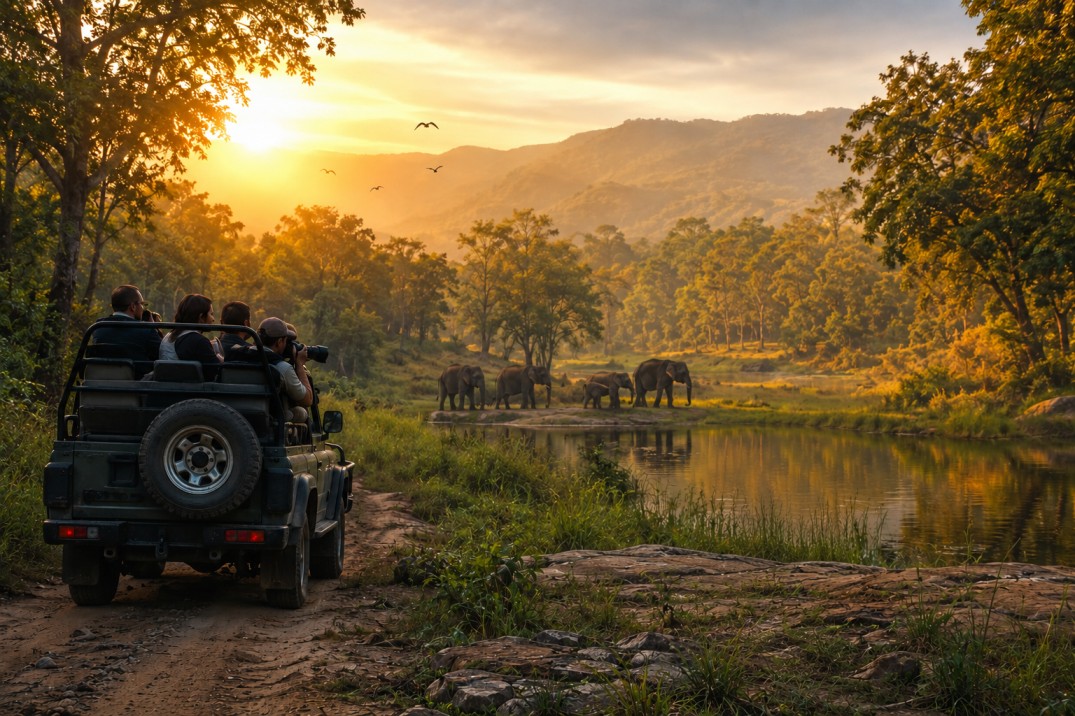
Introduction: Why Wildlife Tourism India Is Booming in 2026
Imagine sitting silently in an open jeep at dawn, the forest still and cool, when a Royal Bengal Tiger steps out of the tall grass just thirty metres away. This is the moment millions of travellers come to India for - and it is more accessible than ever before. Wildlife tourism India has emerged as one of the country's fastest-growing travel segments, with the Indian wildlife tourism market valued at approximately USD 11.25 billion in 2023 and projectedanalysts forecast the sector will cross USD 21 billion in value before the end of this decade, driven by rising domestic travel demand and growing international interest in eco-conscious tourism.
India is home to over 350 species of mammals, 1,200+ bird species, and more than 500 wildlife sanctuaries and national parks spread across ecosystems ranging from Himalayan alpine zones to tropical mangroves. This guide covers everything you need to plan your wildlife journey: the best parks, safari options, seasonal timing, costs, and how to travel responsibly.
Quick Answer: What Is Wildlife Tourism India?
Wildlife tourism India is travel centred around observing animals and ecosystems in their natural habitats - spanning national parks, tiger reserves, bird sanctuaries, and marine conservation zones. The best time to visit is October to March, when parks are open, temperatures are comfortable (10–28°C), and wildlife sightings are most frequent. India's most visited parks include Jim Corbett, Ranthambore, Kaziranga, and Bandhavgarh.
Key Takeaways at a Glance
- India has 106 national parks and 567 wildlife sanctuaries - the largest protected area network in Asia.
- Tiger safaris India are available at 54 designated Project Tiger reserves across 18 states.
- The best jeep safari India jungle experiences are in Madhya Pradesh, Uttarakhand, and Rajasthan.
- Entry fees range from ₹200 to ₹3,000+ per person depending on the park and zone.
- October to March is the optimal travel window for most wildlife destinations nationwide.
- Eco-tourism revenue directly funds conservation programmes, anti-poaching patrols, and local livelihoods.
When to Go: Month-by-Month Season Breakdown
Based on current tourism data and park schedules updated for 2026:
Month | Season | Highlights | Avg Temp |
October | Post-Monsoon | Parks reopen; fresh greenery | 25–30°C |
November | Winter Begins | Big-cat sightings increase | 18–25°C |
December | Peak Winter | Top tiger sighting season | 12–22°C |
January | Peak Winter | Ideal nationwide; clear skies | 10–20°C |
February | Late Winter | Excellent visibility, low crowds | 14–24°C |
March | Pre-Summer | Animals near water; great photos | 20–30°C |
April–May | Hot Summer | Sparse foliage, high sighting rate | 35–42°C |
June–Sep | Monsoon | Most parks closed; Kerala open | 28–35°C |
Note: Most central Indian parks (Kanha, Bandhavgarh, Pench) close from 1 July to 15 October. Periyar Wildlife Sanctuary in Kerala remains open year-round, making it ideal for monsoon travellers.
Best National Parks in India for Wildlife Tourism
India's protected areas offer extraordinary diversity of habitat and species. Here are the top destinations recommended by Lumiere Holidays' wildlife specialists:
Park / Reserve | State | Best For | Entry Fee (approx) |
Jim Corbett NP | Uttarakhand | Bengal Tiger, Elephants | ₹1,500–₹2,500/jeep |
Ranthambore TR | Rajasthan | Tiger Safari, Fort backdrop | ₹1,200–₹2,000/person |
Kaziranga NP | Assam | One-horned Rhino, Tiger | ₹250 + vehicle fee |
Bandhavgarh TR | Madhya Pradesh | Highest tiger density in India | ₹1,800–₹3,000/jeep |
Periyar WS | Kerala | Elephant, Leopard, Boat safari | ₹300–₹700/person |
Sundarbans TR | West Bengal | Royal Bengal Tiger, Mangroves | ₹200–₹500/person |
Gir NP | Gujarat | Asiatic Lion (only wild habitat) | ₹900–₹1,500/person |
Kerala deserves special focus for southern travellers. Lumiere Holidays, widely regarded as the best tour agency in Kerala for wildlife circuits, has designed exclusive routes through Periyar, Wayanad, and Silent Valley - three distinct ecosystems within a single state, accessible year-round.
Recommended 9-Day Itinerary: Central India Tiger Circuit
This itinerary is designed for first-time wildlife travellers and covers three of India's most iconic tiger reserves. Every element - permits, lodges, naturalists, and transfers - can be arranged by Lumiere Holidays.
Day | Location | Activity |
Day 1 | Arrive Nagpur | Check in; orientation nature walk at lodge |
Day 2–3 | Kanha National Park, MP | Morning & evening jeep safari India jungle |
Day 4–5 | Bandhavgarh Tiger Reserve | Tiger safari India; ancient fort visit |
Day 6 | Travel to Ranthambore | Overnight train or short flight |
Day 7–8 | Ranthambore, Rajasthan | Jeep & canter safaris; tiger photography |
Day 9 | Depart or extend | Optional rhino circuit in Kaziranga, Assam |
Estimated cost: ₹65,000–₹1,10,000 per person including accommodation, safaris, and domestic transfers. International flights are additional. Early booking is essential - core zone permits at Ranthambore and Bandhavgarh sell out 3–4 months in advance.
Expert Travel Tips for a Jeep Safari India Jungle Experience
Our senior naturalist guides share what makes the difference between a good safari and an unforgettable one:
- Go at first light: The hours just after sunrise are when the jungle comes alive - animals are moving, drinking, and hunting before the heat sets in. Aim to enter the park gates no later than 6 AM.
- Choose core zones over buffer: Core zones have restricted vehicle numbers, reducing competition and noise. Worth the premium.
- Pack neutral colours: Earthy tones - khaki, olive, beige - are standard on safari. Bright colours disturb wildlife.
- Stay inside the vehicle: Stepping out is prohibited except at designated points and is genuinely dangerous around apex predators.
- Hire a certified naturalist: A trained guide reads tracks, alarm calls, and behaviour. Sighting chances roughly double with expert guidance.
- Plan for 2–3 safaris per park: Wildlife sightings are never guaranteed. Multiple slots maximise your chances significantly.
- Check current rules before travelling: Photography restrictions, drone bans, and timing rules vary by reserve and season. Lumiere Holidays provides a destination-specific briefing before every trip.
Common Mistakes to Avoid on a Wildlife Trip in India
- Booking only one safari: No sighting is ever guaranteed. Plan a minimum of two per park.
- Overlooking lesser-known parks: Panna, Satpura, and Tadoba offer superb wildlife with far fewer tourists than Corbett or Ranthambore.
- Travelling in peak summer without preparation: Temperatures exceed 40°C in April–May across central India. Carry electrolytes, a hat, and sun protection.
- Underestimating distances: India is vast. Flying between tiger circuits saves days of draining road travel and protects your energy for safaris.
- Staying outside the buffer zone: Highway hotels are convenient but miss out on the immersive experience of jungle lodges inside the park perimeter.
Frequently Asked Questions: Wildlife Tourism India
Q: What is the best national park in India for tiger sightings? A: Bandhavgarh Tiger Reserve in Madhya Pradesh has the highest tiger density of any reserve in India, making it the top choice for reliable sightings. Ranthambore (Rajasthan) and Kanha (Madhya Pradesh) are strong alternatives with excellent facilities. All three feature in Lumiere Holidays' tiger safari India packages.
Q: How much does a wildlife safari cost in India? A: A standard jeep safari at Ranthambore costs approximately ₹1,200–₹2,000 per person including vehicle, guide, and entry. A full 7-night wildlife itinerary averages ₹50,000–₹1,20,000 per person depending on the lodge category chosen.
Q: Do I need a visa for wildlife tourism India? A: Most nationalities can apply for an Indian e-Visa online before departure. The tourist e-Visa is valid for 60 days and available to citizens of over 160 countries. Always confirm current requirements with the Indian embassy in your home country before travel.
Q: Is wildlife tourism in Kerala different from central India? A: Yes. Kerala's wildlife tourism focuses on elephant corridors, tropical rainforest biodiversity, and boat safaris through lake ecosystems at Periyar. It is less centred on tiger sightings and more on immersive eco-lodge stays, birdwatching, and community-led conservation. As the best travel agency in south India for wildlife circuits, Lumiere Holidays offers dedicated Kerala packages combining Periyar, Wayanad, and Thattekad Bird Sanctuary.
Q: Which months are the best national parks in India open? A: Most central and northern parks operate from 15 October to 30 June. Southern parks such as Periyar (Kerala) and Nagarhole (Karnataka) are open year-round, though access may be restricted during heavy monsoon periods. Always confirm individual park schedules before booking.
Q: Is a jeep safari in India safe? A: Yes. Safaris through licensed operators on designated tracks with NTCA-certified guides are very safe. Lumiere Holidays only partners with government-approved operators who follow all national tiger reserve safety protocols.
Q: What wildlife can I see beyond tigers in India? A: India's biodiversity extends far beyond tigers. Common sightings include Asian elephants, Indian leopards, one-horned rhinoceroses (Kaziranga), Asiatic lions (Gir), sloth bears, gaur, Indian wild dogs (dholes), crocodiles, and over 1,200 bird species. Marine wildlife including olive ridley sea turtles can be seen along the Odisha and Kerala coasts during nesting season.
Q: How do I book a wildlife trip with Lumiere Holidays? A: Contact Lumiere Holidays via www.lumiereholidays.com or WhatsApp to speak with a wildlife travel specialist. Share your dates, group size, budget, and interests. The team handles park permit applications, naturalist bookings, lodge reservations in buffer zones, and all transfers between destinations.
Conclusion: Plan Your Wildlife Tourism India Experience Today
Wildlife tourism India is not just a travel category - it is a direct contribution to one of the most ambitious conservation efforts on the planet. India has doubled its tiger population since 2010, from an estimated 1,706 to 3,682 in 2022, largely because eco-tourism revenue funds the protected areas and local communities that make conservation viable. When you book a jeep safari India jungle experience, you become part of that story.
Whether you are drawn to the best national parks in India for their iconic predators, the quiet of a Kerala forest trail, or the extraordinary spectacle of an olive ridley arribada on the Odisha coast, India's wildlife offers encounters that stay with you for life.
Ready to Begin? Contact Lumiere Holidays for a Custom Wildlife Itinerary
Our travel experts at Lumiere Holidays can build a custom Wildlife Tourism India itinerary around your dates and budget - whether you want a 5-day tiger-focused circuit or a 14-day journey across India's most diverse ecosystems. As the best travel agency in south India for wildlife and nature travel, we handle every detail from permit applications to naturalist bookings.
Plan your trip with Lumiere Holidays
Ready to travel? Explore our most-booked packages: